Dyer IN, United States
- 16,051 people
- 11 places to visit
- 41.4942, -87.5217
Places to Visit (11)
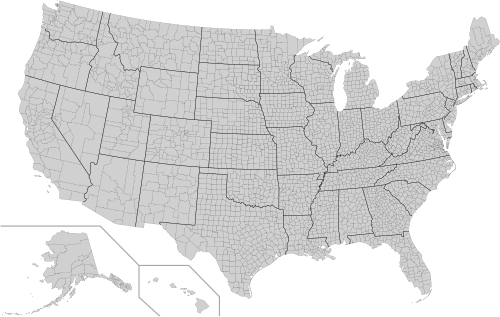
Dyer is a small town located in Lake County, Indiana, within the United States. Incorporated in 1906, Dyer has grown from its humble beginnings into a suburban community that captures the essence of small-town charm while being abutted by more urbanized areas. As of the 2020 Census, Dyer had a population of approximately 16,000 residents. The town's strategic location near the Indiana-Illinois border makes it an attractive place for commuters who work in nearby Chicago, which is just about 40 miles to the northeast. The Dyer area is served by major highways, including Interstate 94 and Interstate 65, enhancing its accessibility.
Dyer boasts a rich community spirit, with various parks, recreational facilities, and events that foster a sense of belonging among its residents. The Parks and Recreation Department offers numerous programs that cater to all age groups, including sports leagues, summer camps, and special events throughout the year. The town is also home to several schools, part of the Community Consolidated School District 146 and Lake Central School Corporation, contributing to a strong educational framework that appeals to families. Dyer’s economy is diverse, with local businesses, healthcare facilities, and retail stores providing essential services and employment opportunities. The town's commitment to maintaining a high quality of life is evident in its well-kept neighborhoods and community initiatives, making it a desirable place to live within the Northwest Indiana region.
Facts about Dyer
- Dyer, Indiana was originally founded as a railroad town in the late 19th century, specifically around 1870.
- The city is named after a local businessman, M.M. Dyer, who played a significant role in its development.
- Dyer is known for its relatively high percentage of parks and recreational areas, including the popular Pheasant Hills Park.
- The town hosts the annual Dyer Summer Fest, which is a community event featuring live music, food vendors, and family activities.
- The Dyer historical society maintains several historical landmarks, including the Dyer Depot, which showcases the city's railroad heritage.
- Dyer is part of the Chicago metropolitan area, providing residents with suburban living while being close to urban amenities.
- The city has a diverse population, reflecting a mixture of cultures and communities contributing to its unique character.
- Dyer is notable for its well-regarded public school system, which consistently ranks among the top in the state of Indiana.
- The town boasts a robust local economy with a mix of retail, service, and manufacturing sectors, distinguishing it from other rural Indiana towns.
- Dyer is home to several green initiatives, including community gardens and environmental awareness programs aimed at promoting sustainability.