Ébano, Mexico
- 24,296 people
- 5 places to visit
- 22.2166, -98.3759
Places to Visit (5)
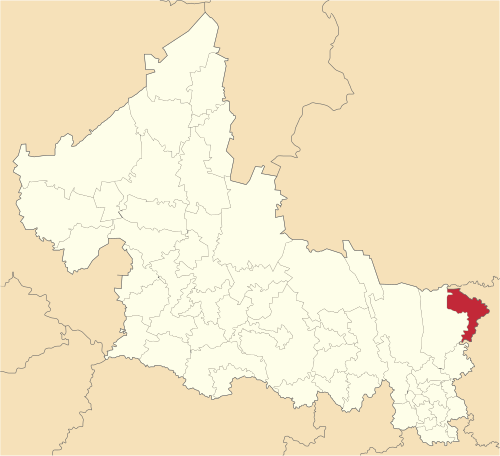
Ébano is a city located in the municipality of Ébano in the state of San Luis Potosí, Mexico. Situated in the northeastern part of the state, Ébano is approximately 100 kilometers from the state capital, San Luis Potosí City. The city's geographic coordinates are 22.1244° N latitude and 97.1628° W longitude, placing it within a region characterized by a semi-arid climate and a landscape primarily composed of plains and rolling hills. The name "Ébano," which translates to "ebony" in English, is believed to be derived from the ebony trees that were historically present in the area. Over the years, the city has evolved from a small town into a more significant urban center, with a population of approximately 15,000 inhabitants as of the latest census.
Historically, Ébano gained prominence in the early 20th century due to the discovery of oil reserves in the region. This discovery transformed the local economy, attracting workers and investors and leading to rapid urbanization. The city became a key player in Mexico's oil industry, which played a significant role in the country's economic development. As a result, the local infrastructure improved, with the establishment of schools, hospitals, and various public services. Today, the economy of Ébano is still influenced by oil production, but it has diversified to include agriculture and small-scale manufacturing. The agricultural sectors primarily focus on crops like maize and beans, as well as livestock farming.
In addition to its economic significance, Ébano is rich in cultural heritage. It features a mix of traditions from Indigenous communities and Spanish colonial influences, which are evident in its architecture, local festivals, and gastronomy. The town celebrates various cultural events throughout the year, highlighting its historical legacy and the creativity of its residents. Despite being a smaller urban center, Ébano's growth and transformation over the last century illustrate the dynamic nature of regional development in Mexico, reflecting both challenges and opportunities related to resource management, community identity, and economic sustainability.
Facts about Ébano
- Ébano is known for its large oil reserves and has been a significant site for petroleum extraction in Mexico since the 20th century.
- The city's name, Ébano, translates to 'Ebony,' reflecting its historical association with the ebony tree, which was once common in the region.
- Ébano is part of the Pánuco River basin, which has been crucial for agriculture and transportation in the area.
- The town was nearly developed entirely around the oil industry, marking it as a unique case among other Mexican towns that have diversified economies.
- Ébano hosts the annual 'Festival de las Cañas,' celebrating the local culture with music, dance, and traditional gastronomy.
- The city is home to the monumental oil rig that stands as a testament to the town's significant contribution to the Mexican economy through the oil industry.
- Ébano has a strong connection to the rich biodiversity of the surrounding wetlands, which is an important ecological area for various species.
- The town has experienced distinct growth patterns that highlight the boom-and-bust cycles associated with the petroleum industry in Mexico.
- Ébano features a blend of architectural styles, reflecting its historical evolution alongside economic transformations driven by the oil industry.
- The city has played a pivotal role in the labor movement related to oil workers, contributing to Mexico's broader labor rights advancements.