Eberswalde, Germany
- 41,980 people
- 12 places to visit
- 52.8371, 13.7876
Places to Visit (12)
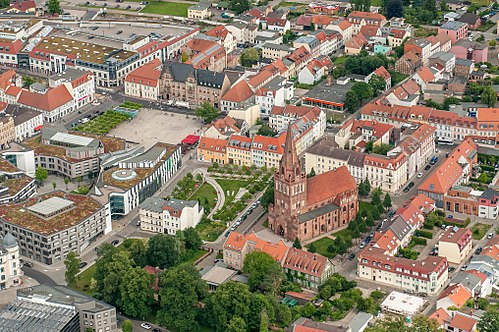
Eberswalde is a town in the Barnim district of Brandenburg, Germany, situated approximately 50 kilometers northeast of Berlin. With a population of about 40,000 residents, it serves as an important regional center. Founded in the 13th century, Eberswalde has a rich history that is evident in its architectural landmarks and urban layout. Originally developed as a planned settlement for the timber industry, the town grew around the specification of the "Friedrichshöhe," a significant trade route. The River Finow, which runs through Eberswalde, was crucial for transporting logs and provided an essential connection to waterways leading into Berlin and other major cities.
As an industrial hub, Eberswalde transitioned from its historical roots in timber processing to varied manufacturing sectors, particularly in the 19th century when it became known for its production of iron and machinery. This industrial growth fostered a diverse workforce and facilitated further urban development. Today, Eberswalde is recognized not only for its economic contributions but also for its commitment to sustainability and environmental initiatives. The town is located at the edge of the Eberswalde Forest, which offers recreational opportunities that attract both residents and visitors. Additionally, its eco-friendly urban planning, highlighted by projects such as green roofs and renewable energy systems, positions Eberswalde as a leader in sustainable living in Germany.
Culturally, the town boasts various attractions, including the historic town center with its quaint streets and notable buildings, such as St. Mary’s Church, which dates back to the 15th century. Eberswalde also celebrates several annual events that draw attention to local traditions and crafts, fostering community engagement. Education plays a vital role in the town's identity, with institutions like the University of Applied Sciences Eberswalde specializing in natural resource management and ecological studies. This focus on education and sustainability comes together, creating an environment that not only honors its storied past but also embraces innovation for future generations, making Eberswalde a unique example of a modern small town in Germany.
Facts about Eberswalde
- Eberswalde is often referred to as the 'Forest City' due to its extensive green spaces and proximity to the Schorfheide-Chorin Biosphere Reserve, which is one of the largest forested areas in Germany.
- The city has a rich industrial history, especially known for its production of bicycle components in the 19th century, which contributed to the development of the German bicycle industry.
- Eberswalde is home to the Barnim Nature Park, which encompasses scenic landscapes and diverse wildlife, making it a popular destination for outdoor activities like hiking and cycling.
- The city hosts the Eberswalde University for Sustainable Development, focusing on environmental science and landscape management, making it a hub for sustainability education.
- Eberswalde was significantly damaged during World War II but retained many historical buildings, including the impressive St. Mary's Church, which dates back to the 14th century.
- The Finow Canal, which runs through Eberswalde, is Germany's oldest artificial waterway, dating back to the early 18th century, and is a historical monument of engineering.
- Every summer, Eberswalde hosts the international 'Eberswalde City Festival,' celebrating local culture, food, and music, contributing to its vibrant community atmosphere.
- The city's 'Insel der Jugend' (Island of Youth) is a popular cultural site and park area, recognized for its creative community events and activities for children and families.
- Eberswalde has a strong commitment to eco-friendly development and is recognized for its efforts in promoting renewable energy and sustainable living practices.
- The city is located on the edge of the Barnim Plateau, providing unique geological features and landscapes that are distinctive in comparison to other regions in Germany.