Ebina, Japan
- 136,312 people
- 18 places to visit
- 35.4465, 139.3908
Places to Visit (18)
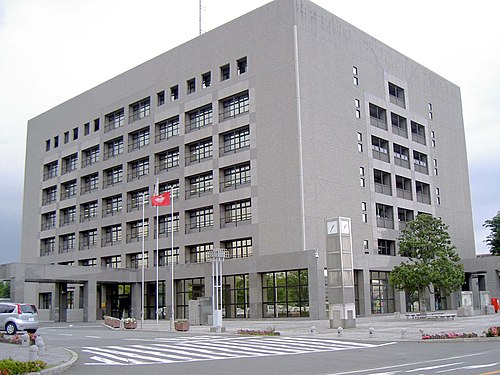
Ebina is a city located in Kanagawa Prefecture, Japan, approximately 40 kilometers southwest of Tokyo. Established as a city in 2006 through the merger of the towns of Ebina and Shonandai, it serves as a vital hub within the Greater Tokyo Area. The city's population, which stands at around 130,000 residents, reflects its strategic position that offers both urban conveniences and suburban charm. Ebina is characterized by a blend of residential areas, commercial activities, and extensive green spaces, making it an attractive place for families and commuters who want to enjoy the benefits of proximity to Tokyo while living in a more tranquil environment.
The city is well-connected by rail, primarily through the Odakyu Electric Railway and the East Japan Railway Company (JR East), enabling easy access to key locations in the metropolitan region. Notably, the Ebina Station serves as a crucial transit point for travelers entering and exiting the city. Ebina is also known for its thriving commercial districts, particularly around the station area, which features shopping centers, restaurants, and entertainment options. The city's development has been bolstered by the establishment of large retail complexes like the LaLaport Ebina, which significantly enhances its appeal as a shopping destination. Furthermore, Ebina boasts a wealth of recreational facilities including parks, sports complexes, and cultural venues, promoting a balance between urban life and outdoor activities.
Culturally, Ebina holds several annual festivals that reflect local traditions and community spirit. The Ebina Matsuri, celebrated in November, showcases traditional performances, food stalls, and a lively atmosphere that attracts both residents and visitors. The city's commitment to preserving green spaces is evident in areas such as the Ebina Central Park, which provides residents with a place to relax and enjoy nature. Additionally, Ebina's proximity to historical sites, such as the ancient temples and shrines in the surrounding area, offers opportunities for cultural exploration. Overall, Ebina stands out as a dynamic city that combines modern living with a strong sense of community and tradition, making it a desirable locale within the Kanagawa region.
Facts about Ebina
- Ebina is home to the Ebina Energy Center, a significant facility that plays a role in local energy management and sustainability efforts.
- The city hosts the annual Ebina Fireworks Festival, which is one of the largest fireworks displays in the Kanagawa Prefecture.
- Ebina is strategically located between Tokyo and Yokohama, making it a popular residential area for commuters looking to access these major metropolitan areas.
- The city's name, 'Ebina,' is derived from the ancient term 'Ebisuna,' which means 'where the gods descend,' highlighting its historical significance.
- Ebina is known for its rich agricultural landscape, particularly its production of high-quality sweet potatoes, a local specialty.
- The city features the Ebina Historical Museum, which showcases artifacts and exhibits related to the area's history and culture.
- Ebina's Chogo-ji Temple is a noteworthy historical site, known for its ancient architecture and peaceful gardens, attracting visitors and locals alike.
- The city has a vibrant shopping scene, with the Ebina Grande shopping mall being a central hub that combines retail, dining, and entertainment options.
- Ebina is part of the Samukawa and Ebina land reclamation project, which began in the post-war period and transformed the local infrastructure significantly.
- The Ebina Citizens' Center is known for hosting various community events, workshops, and cultural programs aimed at promoting local engagement and education.