Eboli, Italy
- 26,183 people
- 9 places to visit
- 40.6154, 15.0584
Places to Visit (9)
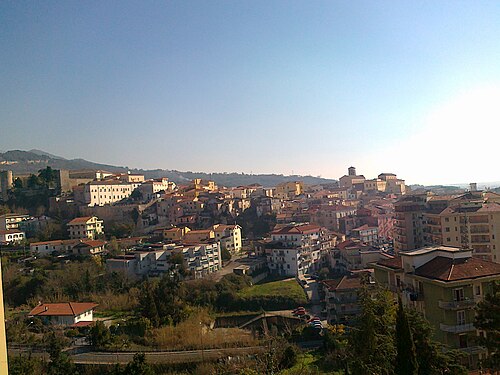
Eboli is a town in the province of Salerno, situated in the Campania region of southern Italy. It is located about 25 kilometers southeast of Naples and lies along the western slope of the Apennine Mountains, offering a scenic landscape characterized by rolling hills and proximity to the Tyrrhenian Sea. With a population of approximately 30,000 residents, Eboli has a rich historical background that dates back to ancient times. The area was originally inhabited by the Italic people, and during the Roman Empire, it became known as a notable trading hub due to its strategic position. The town's name is believed to be derived from the Latin "Eburum," which connects its history to early settlements.
Eboli possesses significant cultural and architectural heritage, evident through its historic sites, including the medieval Castle of Eboli, which was initially built in the 9th century and later expanded. The town is also home to several churches that reflect different architectural styles, such as the Church of Santa Maria della Grazie, which showcases Baroque elements. Eboli's economy has traditionally revolved around agriculture, with fertile lands supporting the cultivation of various crops, particularly olive oil and wine, which are integral to the region's economy. Additionally, the town has industrial activities and a growing service sector, further diversifying its economic base. Eboli is well-connected through road and rail networks, making it accessible for tourists seeking to explore the cultural offerings of Campania, including the nearby Amalfi Coast and the historic cities of Naples and Salerno. The annual festival of San Giuseppe, celebrated with processions and local culinary delights, serves as a focal point of community life, emphasizing the town’s rich traditions and vibrant local culture.
Facts about Eboli
- Eboli is known for its rich history, with evidence of human settlement dating back to the Paleolithic era.
- The city is famous for the Church of Santa Maria della Grazie, which features beautiful frescoes and a unique architectural style that sets it apart from many other Italian churches.
- Eboli was historically significant during the Middle Ages and played a crucial role in various conflicts, including the struggle between the Normans and the Byzantines.
- The city's name, Eboli, is derived from the Latin 'Ebolum,' and its evolving history reflects ancient Roman and medieval influences.
- Eboli has a vibrant tradition of producing high-quality local wines, particularly the renowned 'Fiano di Eboli,' which is distinct from other regional wines in Campania.
- The Eboli and the surrounding area are famous for the annual Palio del Carro, a colorful and historical event that showcases local traditions and community spirit.
- Notably, Eboli is home to the Monument of the Resistance, commemorating the local resistance during World War II, an important aspect of the city's modern history.
- Eboli is often recognized for its robust agricultural sector, particularly its production of olives and citrus fruits, influencing local cuisine and culture.
- The city served as the inspiration for Carlo Levi's book 'Christ Stopped at Eboli,' which explores themes of exile and identity, giving the city literary significance.
- Eboli is strategically located near the Salerno-Caserta motorway, providing easy access to neighboring cities like Salerno and Paestum, known for its ancient Greek temples.