Ecatepec de Morelos, Mexico
- 1,645,352 people
- 15 places to visit
- 19.5671, -99.0445
Places to Visit (15)
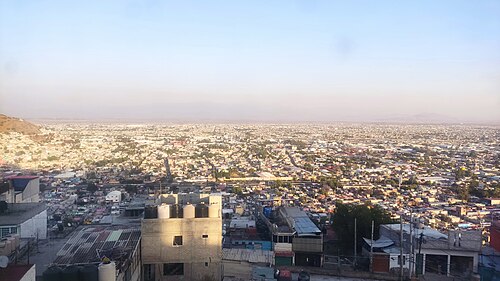
Ecatepec de Morelos is a municipality and urban area located in the State of Mexico, approximately 20 kilometers northeast of Mexico City. It is one of the most densely populated areas in the country, with an estimated population exceeding 1.6 million residents, making it one of the largest municipalities in Mexico. Ecatepec is characterized by its rapid urbanization and significant economic activity, primarily driven by commerce, services, and manufacturing. The city is connected to greater Mexico City through various transportation means, including the Metro system, which enhances accessibility for commuters and contributes to its bustling urban environment.
Historically, Ecatepec is rich in heritage, with evidence of settlements dating back to pre-Hispanic times. The name "Ecatepec" derives from Nahuatl, meaning "hill of winds." Its historical significance is exemplified by the presence of archaeological sites, such as temples and structures from the Aztec civilization. The area played a crucial role during the Conquest, and remnants of its past can still be observed in various cultural and architectural landmarks. In recent years, Ecatepec has gained attention for its challenges, including crime rates and socioeconomic issues; however, efforts are being made to enhance security and improve living conditions for its residents.
Despite the challenges, Ecatepec de Morelos remains a vital part of the metropolitan area of Mexico City, known for its dynamic culture and vibrant community life. The municipality hosts numerous festivals, cultural events, and traditional markets, providing a glimpse into the local customs and traditions. Notable sites include the Basilica of Our Lady of Guadalupe, which attracts pilgrims from across the country, and various parks, museums, and public spaces that foster community engagement. As urbanization continues, Ecatepec faces the challenge of balancing development with the preservation of its cultural identity and history.
Facts about Ecatepec de Morelos
- Ecatepec de Morelos is one of the largest municipalities in Mexico, with a population that often exceeds 1.6 million, making it a significant urban area in the Estado de Mexico.
- The name 'Ecatepec' translates to 'Skirt of the Earth' in Nahuatl, reflecting its indigenous heritage and connection to pre-Hispanic civilization.
- The Basilica of Our Lady of Guadalupe, one of the most important pilgrimage sites in Mexico, is located nearby in Mexico City, but Ecatepec has its own significant religious site, the Parish of San Cristóbal, which attracts many visitors.
- Ecatepec played a critical role in the Mexican Revolution and has a history of social and political activism that distinguishes it from many other municipalities in the region.
- It is known for the 'Cerro de la Estrella' (Hill of the Star), a sacred hill during pre-Columbian times, where ceremonies and festivities once took place.
- The municipality has faced challenges with urban development and crime, but initiatives have been implemented to revitalize the area and improve safety, highlighting its resilience.
- Ecatepec hosts a variety of cultural events and festivals, including traditional dances and gastronomic fairs, showcasing the rich local heritage and community spirit.
- Ecatepec is home to several educational institutions, including the Universidad Tecnológica de Ecatepec, contributing to higher education and workforce development in the region.
- The city has notable parks and recreational areas, such as the 'Parque del Bicentenario,' which commemorate significant historical events and promote community engagement.
- In recent years, Ecatepec has gained attention for efforts to empower women through various programs aimed at reducing gender violence and promoting equality, making it a focal point for social change in Mexico.