Écija, Spain
- 40,400 people
- 10 places to visit
- 37.5438, -5.0838
Places to Visit (10)
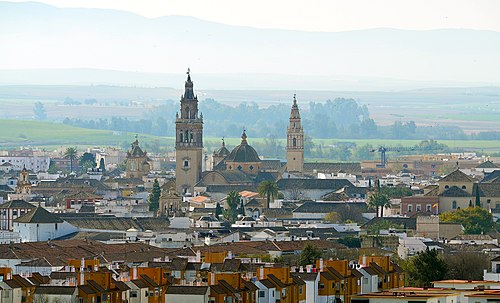
Écija, often referred to as the "City of Towers," is a small city located in the province of Seville, Andalusia, Spain. It is situated approximately 84 kilometers (52 miles) northeast of Seville, nestled at the confluence of the Genil and the Guadarrobo rivers. With a rich history dating back to the Roman period, Écija boasts a unique blend of cultural influences from various civilizations, including the Romans, Visigoths, and Moors. The city is characterized by its striking architecture, featuring a multitude of baroque churches and an impressive collection of towers that dominate the skyline, giving it its nickname. The most notable among these is the tower of the Church of Santa Cruz, which stands as a testament to the city's historical wealth.
Écija's economy has traditionally been based on agriculture, particularly the cultivation of olives, cereals, and other Mediterranean crops. In recent years, the city has diversified, incorporating industries such as textiles and ceramics. Tourism plays a significant role in the local economy, with visitors drawn to its historical sites, including the Roman ruins of "Astigi," the ancient name of Écija. Well-preserved archaeological sites, such as the Roman theater and antiquities found in the vicinity, highlight its historical significance. The city is also known for its lively festivities, including Semana Santa (Holy Week) celebrations and Feria de Écija, which showcases local culture through music, dance, and gastronomy.
Throughout the years, Écija has maintained its charm while evolving into a vibrant community. It is popular with both domestic and international tourists seeking an authentic Spanish experience away from larger metropolitan areas. The city is well-connected by road and rail, making it accessible to visitors exploring the Andalusian region. Moreover, Écija's warm climate, characterized by hot summers and mild winters, contributes to its appeal. As a city steeped in history and culture, Écija offers a rich tapestry of experiences for those interested in exploring its ancient streets, indulging in local cuisine, and participating in its seasonal celebrations. Overall, Écija stands as a captivating destination that highlights the cultural heritage of Andalusia.
Facts about Écija
- Écija is known as the 'City of Towers' due to its numerous bell towers and steeples that dominate the skyline, with over 20 notable examples.
- The city has a rich Roman history, having been known as Astigi during ancient times, and features significant archaeological sites including Roman ruins.
- Écija's historical center is home to several well-preserved Baroque churches, showcasing intricate architecture that reflects the city's artistic heritage.
- The annual Feria de Écija, held in late September, draws visitors with its vibrant atmosphere, traditional music, and cultural activities unique to the region.
- Écija is famous for its artisan craft of 'azulejos', decorative ceramic tiles, which are a key part of its artistic identity.
- The city plays a significant role in Andalusian gastronomy, known for local specialties such as 'milanesa' and 'pestiños', which can't be found in other parts of Spain.
- Écija is situated along the Guadalquivir River, which played a crucial role in its development as a trade and transport hub in historical times.
- The city has a unique microclimate, characterized by hot summers and mild winters, making it one of the warmest places in Spain.
- Écija has a vibrant local festival scene, with the Holy Week (Semana Santa) celebrations being particularly noteworthy for their cultural and religious significance.
- The city's surrounding countryside is known for its olive groves, contributing to Écija's reputation as a center for high-quality olive oil production.