Edéa, Cameroon
- 103,861 people
- 1 places to visit
- 3.7954, 10.1367
Places to Visit (1)
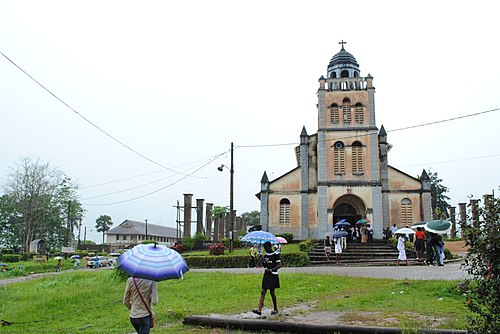
Edéa is a vibrant city located in the Littoral Region of Cameroon, situated along the banks of the Sanaga River approximately 60 kilometers east of Douala, the economic capital of the country. With a population of around 136,000 residents, Edéa serves as a key commercial and communication hub in the region, linking several important towns and facilitating trade. The city’s economy is primarily driven by agriculture, forestry, and small-scale industries, making it significant for local livelihoods. Particularly, the cultivation of palm oil and rubber is prevalent in the surrounding areas, contributing to both local and national economies.
Edéa is characterized by its rich cultural heritage and diversity, home to various ethnic groups, including the Ewondo, Bassa, and other communities. This multicultural backdrop is evident in the city's festivals, cuisine, and daily life, fostering a unique communal atmosphere. The city possesses essential infrastructure such as schools, health facilities, and markets, which play a critical role in supporting its growing population. Furthermore, Edéa is known for its natural beauty, surrounded by lush landscapes, rivers, and wildlife, which make it an attractive destination for ecotourism. The city's strategic location near the Sanaga River also promotes activities like fishing and small-scale shipping, emphasizing its role in connecting different parts of Cameroon while contributing to the nation's overall economic development.
Facts about Edéa
- Edéa is located on the banks of the Sanaga River, which is the largest river in Cameroon, providing a vital waterway for transportation and trade.
- The city is known for its significant role in the production of electricity in Cameroon, hosting the Edéa Dam, one of the key hydroelectric power plants in the country.
- Edéa is characterized by its unique blend of indigenous and colonial history, with several buildings and infrastructures reflecting its past as a major port during colonial times.
- The city serves as a commercial hub for the Littoral and South regions of Cameroon, making it a crucial center for the timber and agricultural industries.
- Edéa is home to a variety of cultural festivals, including the annual Ngondo festival which celebrates the Sawa people in the Littoral region, showcasing unique local traditions.
- The city features notable architectural landmarks, such as the Church of Saint Joseph, which is an example of colonial-era architecture blending with local styles.
- Edéa is known for its proximity to Mount Manengouba, an important ecological site and a popular hiking destination for both locals and tourists.
- The Edéa market is famous for its vibrant atmosphere and diverse range of products, from local crafts to fresh produce, making it a key part of the city's economy.
- Edéa has a diverse demographic, with a mix of ethnic groups including the Bassa, Bantu and various groups from the Littoral region, contributing to a rich cultural landscape.
- The city boasts strong educational institutions, including vocational training centers that provide skills development to support the local economy and workforce.