Eisenhüttenstadt, Germany
- 32,052 people
- 8 places to visit
- 52.1437, 14.6419
Places to Visit (8)
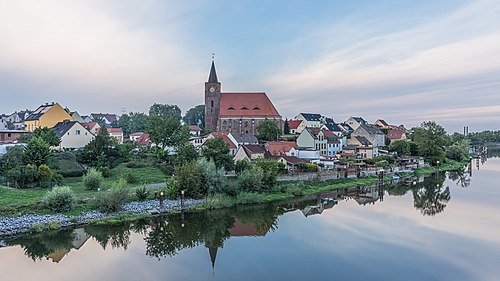
Eisenhüttenstadt is a town situated in the state of Brandenburg, Germany, near the border with Poland. Founded in 1950, it was originally established as a model socialist city to support the steel industry, reflecting the ambitions of East Germany. The town was built to accommodate the workforce of the Eisenhüttenkombinat, a large steel production facility that significantly influenced the region's economy. Its planning and architecture were heavily inspired by socialist urban design principles, emphasizing functionalist aesthetics and communal living. Eisenhüttenstadt was officially designated as a city in 1961 and became a notable example of GDR urban development, characterized by its modernist apartment complexes and expansive public spaces.
The town's population peaked in the 1980s but experienced a decline after the reunification of Germany in 1990 due to industrial restructuring and economic challenges. Today, Eisenhüttenstadt has a population of approximately 12,000 residents, reflecting its status as a small city. Despite its industrial roots, recent years have seen efforts to diversify the local economy and improve living conditions. The city's layout includes green spaces, parks, and cultural facilities, making it an appealing place for residents. Historical features remain, including the Eisenhüttenstadt Museum, which showcases the town's development and industrial heritage. While Eisenhüttenstadt faces challenges associated with post-industrial change, it retains a unique identity and offers insights into the history of East Germany and socialist urban planning.
Facts about Eisenhüttenstadt
- Eisenhüttenstadt was founded in 1950 as a planned socialist city during the German Democratic Republic (East Germany), primarily to support the steel industry.
- The city is home to the Eisenhüttenstadt Steel Works, which is one of the largest steel production facilities in Germany and a significant employer in the region.
- Eisenhüttenstadt features a unique architectural style known as 'Brutalism,' reflecting its origins in the socialist era, with many buildings built from exposed concrete.
- The city was originally named 'Stalinstadt' in honor of Joseph Stalin, but was renamed to Eisenhüttenstadt after Stalin's death in 1961, reflecting a shift in political sentiment.
- Eisenhüttenstadt's town center is known for its planned layout and wide boulevards, which is distinctive compared to many other German cities with organic growth.
- The city hosts the Museum of Local History, which showcases the unique industrial heritage and development of Eisenhüttenstadt since its founding.
- Eisenhüttenstadt is located near the Polish border and has a diverse cultural influence, making it a small gateway between Germany and Poland.
- The city organizes the annual 'Eisenhüttenstadt Maritime Festival,' celebrating its history and connection to the shipping industry via the Oder-Spree Canal.
- Eisenhüttenstadt was one of the first cities in East Germany to embrace arts and culture with initiatives like the 'Kulturhaus,' a cultural center hosting various events and performances.
- The city has a rich history of housing socialist cultural symbols, including murals and statues that reflect its past, making it a living museum of East German history.