Eisleben Lutherstadt, Germany
- 22,668 people
- 5 places to visit
- 51.5195, 11.5577
Places to Visit (5)
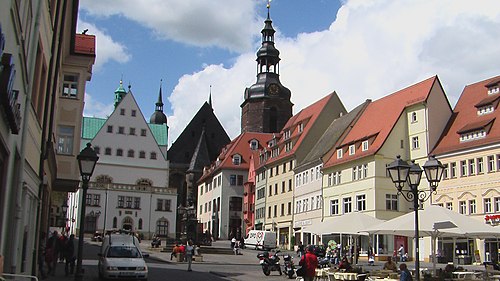
Eisleben Lutherstadt is a historic town located in the state of Saxony-Anhalt, Germany. Known primarily as the birthplace of the renowned theologian Martin Luther, the town plays a significant role in the history of the Protestant Reformation. Founded in the early Middle Ages, Eisleben has retained much of its medieval charm, featuring cobblestone streets and several well-preserved buildings. It officially adopted the name "Lutherstadt" in 2012 to highlight its association with Martin Luther, who was born there on November 10, 1483, and whose life and teachings had a profound impact on Christianity and European history.
Eisleben is home to several UNESCO World Heritage Sites, including the Luther Birthplace and the Luther Death House, which are significant in chronicling his life and the broader Reformation movement. The Birthplace, now a museum, offers insights into Luther's early life and the influences that shaped his theological ideas. The Death House, where Luther died on February 18, 1546, serves as a memorial to his legacy. The town hosts various events celebrating Luther's contributions, particularly during the Reformation anniversary years, attracting tourists and scholars alike. Besides its theological significance, Eisleben is characterized by its local industry, small businesses, and vibrant community, making it not only a place of historical importance but also a dynamic modern town.
Visitors to Eisleben can enjoy exploring its picturesque old town, which features landmarks such as the St. Andrew's Church, where Luther preached, and various museums that illustrate the cultural life of the region. The town's annual events, including markets and festivals, reflect the local traditions and invite visitors to engage with the community. Eisleben's strategic location in central Germany makes it accessible, and it is part of the scenic Harz mountain region, offering outdoor activities and natural beauty to complement its rich historical tapestry. As both a pilgrimage site for Lutherans and a cultural destination for history enthusiasts, Eisleben Lutherstadt embodies a unique blend of past and present, firmly establishing its place in Germany’s diverse cultural landscape.
Facts about Eisleben Lutherstadt
- Eisleben Lutherstadt is known as the birthplace of Martin Luther, the key figure in the Protestant Reformation, having been born there on November 10, 1483.
- The city features two UNESCO World Heritage Sites: the Luther Birthplace and the Luther Memorial Church, recognized for their historical significance in the Reformation.
- Eisleben was the site of Martin Luther's death on February 18, 1546, and the house where he died is preserved as a historical museum.
- The city's name includes 'Lutherstadt' to honor its connection to Martin Luther and the history of the Protestant Reformation.
- Eisleben hosts the annual 'Luther Days' festival, celebrating Martin Luther's contributions and the impact of the Reformation on modern society.
- The city has several historical buildings that date back to medieval times, showcasing its rich architectural heritage distinct from other German towns.
- Eisleben's market square is home to the St. Andrew's Church (St. Andreas Kirche), which is known for its impressive Gothic architecture and ties to Martin Luther.
- Despite its relatively small size, Eisleben has a vibrant tradition of arts and culture, including theater, music festivals, and exhibitions related to Luther's legacy.
- The local economy is supported by tourism, primarily due to its association with Luther and the Reformation, setting it apart from other German cities that do not have such historical connections.
- Eisleben is also notable for its mining history, particularly the extraction of silver and lead, which played a significant role in its economic development during the Middle Ages.