El Bayadh, Algeria
- 85,577 people
- 1 places to visit
- 33.6854, 1.0304
Places to Visit (1)
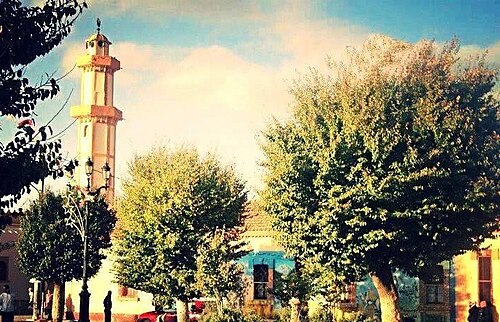
El Bayadh is a city located in north-central Algeria, serving as the capital of the El Bayadh Province. The city is strategically positioned at an elevation of approximately 1,000 meters above sea level, which gives it a distinct climate characterized by warm summers and cold winters. El Bayadh is situated near the Saharan desert, which influences its weather patterns and cultural aspects. The population of the city is predominantly Arab and Berber, reflecting the diverse cultural heritage of Algeria.
Historically, El Bayadh has played a significant role during the French colonial period and the Algerian War of Independence. The region is known for its natural beauty, with expansive landscapes that include mountains and plateaus, offering opportunities for agriculture, particularly in the cultivation of cereals and livestock farming. The economy of El Bayadh relies on agriculture, trade, and, more recently, tourism, as visitors are drawn to its scenic panoramic views and cultural historical sites, including ancient ruins and traditional architecture.
El Bayadh is also noteworthy for its vibrant market culture, where local artisans sell crafts and goods that reflect the rich traditions of the area. The city is home to several educational institutions and cultural centers that promote the region's history and heritage. Notable festivals, often featuring music, dance, and traditional cuisine, provide a window into the local customs and community life. As Algeria continues to develop, El Bayadh remains a city that balances modernization with the preservation of its rich cultural traditions and natural landscapes.
Facts about El Bayadh
- El Bayadh is known for its unique desert landscape, characterized by the captivating Saharan scenery that differs from the coastal and mountainous regions of Algeria.
- The region is home to the ancient rock carvings of the Tassili n'Ajjer, showcasing prehistoric art that dates back thousands of years, making it a site of archaeological significance.
- El Bayadh serves as a center for agriculture in the Sahara, particularly noted for its date palm cultivation, which is less common in many other desert regions.
- It is notable for its rich cultural heritage, featuring a blend of Berber and Arab influences that are reflected in the local traditions, language, and cuisine.
- The city has a unique annual event known as the Date Festival, celebrating the harvest season and showcasing local varieties of dates, which is distinct from other agricultural fairs in the country.
- El Bayadh is geographically important, serving as a crossroads between the northern regions of Algeria and the more remote southern desert areas.
- The city has historical ties to the Ottoman Empire, with architectural remnants that highlight its strategic importance during that period.
- El Bayadh is known for its natural beauty, including the nearby Chott el Melgui, a large salt flat that offers a striking and otherworldly landscape.
- The city is also recognized for its contribution to the arts, particularly in music and poetry, with local artists drawing inspiration from their desert surroundings.
- El Bayadh's climate is characterized by extreme temperatures, distinguishing it from Algeria's more temperate northern cities, thereby influencing its lifestyle and culture.