El Grullo, Mexico
- 20,924 people
- 7 places to visit
- 19.8063, -104.2192
Places to Visit (7)
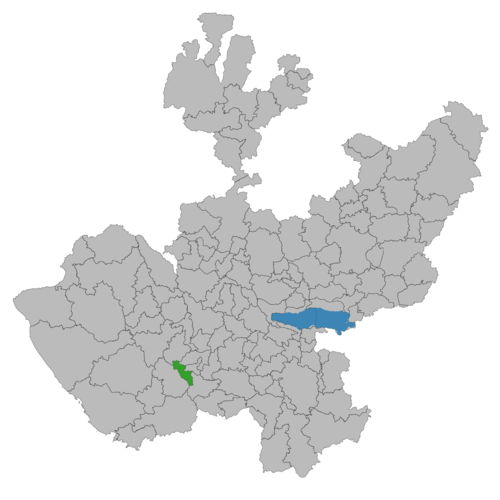
El Grullo is a municipality and city located in the southern region of Jalisco, Mexico. It lies in the highlands of the Sierra de Amula and is part of the Altos Sur region. The city serves as the municipal seat for the larger El Grullo municipality, which encompasses several surrounding towns and communities. The name "El Grullo" refers to the local term for a type of heron, and the area is characterized by its agricultural economy, with crops like corn, beans, and sorghum being predominant. As of the latest census, El Grullo has a population of just over 15,000 residents, reflecting a mix of indigenous and mestizo heritage.
El Grullo was officially founded in the mid-19th century, although the area has been inhabited for much longer. The municipality is noted for its rich cultural traditions and local festivities, including the celebration of the patron saint, San Isidro Labrador, which attracts many visitors each year. The geographic landscape of El Grullo features fertile plains, making it suitable for farming activities. The area is also known for its natural beauty, including nearby ecological reserves that contribute to its biodiversity. While primarily agricultural, the local economy is gradually diversifying, including small-scale industries and services that cater to the needs of the population and surrounding areas. El Grullo thus serves as a small yet vibrant community that embodies the cultural essence and agricultural heritage of Jalisco.
Facts about El Grullo
- El Grullo is known for its rich agricultural heritage, particularly in the production of oilseeds and sugarcane, distinguishing it from other towns that may focus on tourism or manufacturing.
- The town is home to the 'Festival of the Cattlemen', an annual event celebrating local ranching culture which showcases traditional music, dance, and rodeo events.
- El Grullo was officially founded in 1883, making it one of the newer towns in the Jalisco region, compared to many other cities with longer histories.
- This town is located in a unique geographical area where the Sierra Madre mountains meet the coastal plains, offering diverse ecosystems and natural beauty.
- El Grullo has a vibrant community of artisans, especially known for their handicrafts and traditional textiles, which reflect local cultural heritage unlike other industrialized cities.
- The nearby Río Armería provides important resources for agriculture and fishing, setting El Grullo apart from many inland cities that lack significant water bodies.
- El Grullo's municipal government places a strong emphasis on eco-tourism, promoting sustainable practices to attract visitors interested in nature and conservation.
- The town hosts a significant number of traditional celebrations related to both agricultural cycles and religious events, reflecting a blend of indigenous and Spanish influences that is often less apparent in larger urban areas.
- El Grullo has maintained a strong community spirit, with various local organizations dedicated to preserving its historical sites and cultural practices, distinguishing it from more commercialized towns.
- Lastly, the town is notable for its local cuisine, particularly dishes that highlight local ingredients and cooking traditions, offering a unique culinary experience compared to other regions in Mexico.