El Tigre, Venezuela
- 222,450 people
- 10 places to visit
- 8.882, -64.233
Places to Visit (10)
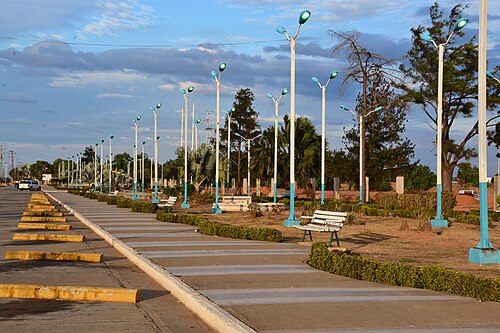
El Tigre is a city located in the Anzoátegui State of Venezuela, positioned in the northeastern part of the country. Founded in 1933, it has grown into a significant urban center primarily due to its proximity to the rich oil fields of the region, making it an important hub for the petroleum industry. With a population of approximately 100,000 residents, El Tigre functions as a commercial and industrial center for nearby towns and rural areas. The city is known for its vibrant culture, which reflects a mix of indigenous heritage and influences from other regions of Venezuela, evident in its gastronomy, music, and local festivals.
The economy of El Tigre is heavily reliant on oil production, with the industry dominating employment opportunities and driving local businesses. Additionally, agriculture also plays a role in the local economy, with farming of crops such as coffee, cassava, and sugarcane in the surrounding areas. The city is served by key infrastructure, including the José Antonio Anzoátegui International Airport, which connects El Tigre to other major cities in Venezuela and facilitates travel for both business and tourism. Despite facing challenges such as economic fluctuations and social issues, the residents of El Tigre maintain a sense of community and resilience, often coming together to celebrate regional traditions and support local initiatives. As a city that balances industrial development with cultural richness, El Tigre remains a noteworthy part of Venezuela's economic landscape.
Facts about El Tigre
- El Tigre is known for being a key commercial and industrial center in Anzoátegui state, differentiating it from more traditional tourist towns in Venezuela.
- The city was founded in the early 20th century, specifically in 1939, during the oil boom, which played a significant role in shaping its development and economy.
- El Tigre is home to the famous 'Parque Andrés Eloy Blanco', a large urban park that serves as a central recreational area, unique compared to other cities in the region.
- The city hosts the annual 'Feria de la Guacharaca', a cultural festival celebrating local music, food, and arts, reflecting its vibrant cultural scene.
- El Tigre has a rich history tied to the exploitation of oil reserves, making it an important city in Venezuela's petroleum industry, unlike many agricultural-focused towns.
- The city features a prominent cathedral known as 'Catedral de San José', which showcases colonial architecture and is a focal point for local residents.
- El Tigre is strategically located on the 'N203' highway, providing vital transportation links to industrial regions and differentiating it as a logistical hub.
- The city is known for its diverse population, with a mix of indigenous, Spanish, and other immigrant influences, resulting in a unique cultural tapestry.
- El Tigre is less frequented by tourists compared to major Venezuelan destinations like Caracas or Mérida, making it an off-the-beaten-path locale for exploration.
- The local economy is supplemented by agriculture, particularly in the production of tropical fruits, which contrasts with the oil-dominated economies of other cities.