Elbląg, Poland
- 127,558 people
- 14 places to visit
- 54.1561, 19.4045
Places to Visit (14)
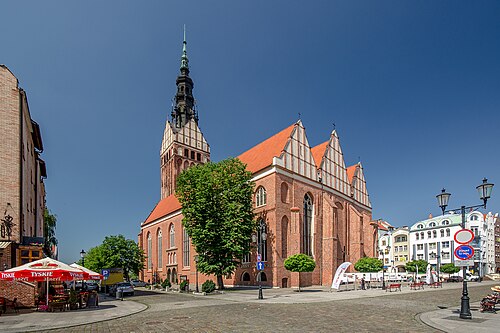
Elbląg is a city situated in the Warmian-Masurian Voivodeship of northern Poland, known for its rich history and strategic location near the Elbląg River. Founded at the end of the 13th century by German settlers, Elbląg quickly grew into a significant trade center due to its access to the Baltic Sea via the Elbląg Canal, completed in the mid-19th century. The city was a member of the Hanseatic League, which facilitated rich economic exchanges and cultural interactions with other cities in northern Europe. Elbląg’s architecture displays its historical significance, with numerous Gothic, Renaissance, and Baroque buildings. Notable sites include the Cathedral of St. Nicholas, a beautiful example of Gothic architecture, and the remnants of the medieval city walls.
Elbląg has experienced various political changes throughout its history, including periods of Prussian and German administration, especially before the end of World War II when it was known as Elbing. After the war, Elbląg became part of Poland, leading to significant demographic changes as Polish settlers replaced the German population. Today, Elbląg is an industrial and logistical hub, focusing on sectors such as shipbuilding, food processing, and services. The city is also noted for its proximity to the scenic landscapes of the Warmian-Masurian Region, making it an attractive destination for tourism, especially for those interested in outdoor activities, history, and local traditions. Elbląg is also home to several cultural institutions, including museums and theaters, which reflect its diverse heritage and local culture, enhancing the city’s appeal both to residents and visitors.
Facts about Elbląg
- Elbląg is home to the unique Elbląg Canal, which features a system of slipways for navigating the significant elevation changes between the Vistula Lagoon and the city.
- The city is one of the oldest in Poland, with its roots dating back to the 13th century when it was founded by the Teutonic Knights.
- Elbląg was a member of the Hanseatic League, a powerful economic alliance of trading cities in Northern Europe during the Middle Ages, which significantly influenced its development and wealth.
- The city's Old Town features reconstructed Gothic architecture, as much of it was destroyed during World War II, making it distinct in its preservation efforts of historic styles.
- Elbląg hosts the annual Elbląg Canal Regatta, celebrating the region's maritime heritage and drawing participants from across Poland and Europe.
- The Elbląg district includes the unique grassy slopes known as the 'Elbląg Upland,' a rare geological formation in the region, offering scenic views and hiking opportunities.
- Elbląg has a rich Jewish history, once being home to a significant Jewish community before World War II, which is commemorated in various ways in the city today.
- The city is famous for its traditional gingerbread, known locally as 'pierniki,' which has been a part of Elbląg's culinary heritage since medieval times.
- Elbląg boasts the only industrial port on the Vistula Lagoon, making it an important center for trade and shipping in northern Poland.
- The local museum, Muzeum Elbląg, showcases the city’s history and art, featuring a distinctive collection of artifacts from various historical periods.