Elda, Spain
- 55,168 people
- 11 places to visit
- 38.4765, -0.7966
Places to Visit (11)
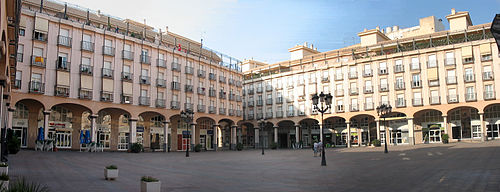
Elda is a municipality located in the province of Alicante, in the autonomous community of Valencia, Spain. Nestled at the foot of the Sierra de las Batallas mountains and situated approximately 30 kilometers northwest of the city of Alicante, Elda is known for its rich history, cultural significance, and a thriving economy that has primarily revolved around the production of footwear. This trade has deep roots in the region, and Elda is often considered one of the shoe manufacturing capitals of Spain, with many local factories and workshops producing high-quality footwear for both domestic and international markets.
The history of Elda dates back to ancient times, with archaeological findings indicating habitation since the Iberian and Roman periods. The city is home to several historical landmarks, including the impressive Castle of Elda, a 12th-century fortress that offers panoramic views of the surrounding landscape. In addition to its historical sites, Elda features an array of modern amenities and services that contribute to the quality of life of its residents. The city boasts a variety of parks, cultural centers, and sports facilities, alongside multiple festivals that celebrate local traditions. One of the most notable events is the Moros y Cristianos festival, held in September, which reflects the area's historical heritage and showcases elaborate parades and costumes.
Culturally, Elda is an important center for the arts, with numerous galleries and theaters that host local performances and exhibitions. The city's gastronomy is also notable, with traditional dishes such as paella and various tapas being popular among both locals and visitors. Elda's strategic location, roughly equidistant from the mountains and the Mediterranean coastline, offers a blend of natural beauty and accessibility to larger urban centers. With its vibrant community, historical significance, and economic contributions, Elda continues to be a vital part of the Alicante province, attracting both tourists and new residents drawn by its diverse offerings.
Facts about Elda
- Elda is known for its extensive shoe manufacturing industry, earning the nickname 'The Footwear Capital of Spain'.
- The city hosts the annual 'Feria del Calzado', a significant trade fair showcasing the latest in shoe designs and innovations.
- Elda is home to the 'Castillo de Elda', a medieval castle that dates back to the 12th century, offering sweeping views of the surrounding landscape.
- The city is part of the 'Vinalopó Valley', an area famous for its agricultural produce, particularly grapes and almonds.
- Elda boasts a thriving cultural scene, with events such as the 'Fiestas de Moros y Cristianos', celebrating the historical reconquest of Spain.
- The local gastronomy includes unique dishes like 'gazpachos', a traditional meal often made with ingredients such as rice and meat.
- Elda is adjacent to the city of Petrer, and together they form a metropolitan area known for its shared cultural events and economic cooperation.
- The 'Museo del Calzado' in Elda is dedicated to the history of shoemaking and showcases the evolution of footwear design.
- Elda’s rich history is reflected in its numerous archaeological sites, including remnants from the Iberian, Roman, and Moorish periods.
- The city has a strong sporting tradition, particularly in basketball and handball, with local teams competing at high levels in Spanish leagues.