Elmhurst IL, United States
- 45,957 people
- 19 places to visit
- 41.8995, -87.9403
Places to Visit (19)
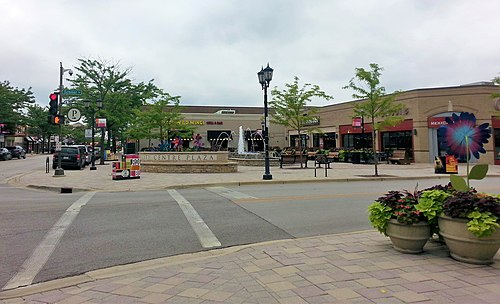
Elmhurst, Illinois, is a vibrant suburban city located approximately 20 miles west of downtown Chicago. Established in the mid-19th century, Elmhurst was originally known as Cottage Hill, a name linked to the area's charming cottages and rural landscape. The city was officially incorporated in 1882 and later renamed Elmhurst, derived from the abundance of elm trees that grew in the region. Elmhurst has a rich history that reflects the growth of the greater Chicago metropolitan area, rapidly developing from a primarily agricultural community into a thriving suburban city by the late 20th century. As of the 2020 United States Census, Elmhurst had a population of around 46,000 residents.
Today, Elmhurst is known for its excellent public services, quality education, and strong community engagement. The city is served by a variety of public and private schools, including Elmhurst Community Unit School District 205, which has a reputation for delivering high academic standards. Elmhurst is also home to Elmhurst University, a private liberal arts university that contributes to the educational landscape of the city. In addition to education, the city places significant emphasis on parks and recreation, featuring numerous parks, playgrounds, and sports facilities. Elmhurst also boasts an active downtown area filled with boutique shops, restaurants, and cultural venues, including the Elmhurst Art Museum, which showcases both contemporary and historical art.
Transportation options make Elmhurst accessible, with convenient access to major highways like Interstate 290 and the North Central Service Metra line, which connects residents to Chicago and surrounding suburbs. The city's location near O'Hare International Airport enhances travel opportunities for residents and businesses alike. Furthermore, Elmhurst is characterized by its diverse housing options, from historic homes to modern developments, appealing to families and professionals alike. The city's commitment to community involvement, public safety, and quality of life continues to attract new residents, making Elmhurst an appealing place to live, work, and enjoy the benefits of suburban life while remaining close to the urban amenities of Chicago.
Facts about Elmhurst
- Elmhurst is home to the Elmhurst Art Museum, which features a notable collection of contemporary art and is housed within a unique expansion designed by architect Thomas Phifer.
- The city is named after Elmhurst, New York, and was originally settled in the 1830s as a farming community, distinguishing it from many other towns that developed as industrial hubs.
- Elmhurst's historic downtown area includes a variety of well-preserved buildings, showcasing the architectural styles of the late 19th and early 20th centuries.
- The Elmhurst History Museum features the Elmhurst Art Museum, which not only chronicles the city's past but also highlights its significance in suburban development in the Chicago area.
- The city is known for its excellent school system, including Elmhurst College, which has a long-standing tradition of liberal arts education and community involvement.
- Elmhurst has a vibrant festival culture, hosting events like the Elmhurst Craft Beer Fest and the Summer Concert Series in Wilder Park, which attracts numerous visitors each year.
- The Elmhurst sitting area on the Prairie Path, a rail-to-trail path system that connects numerous towns in the region, offers recreational opportunities while preserving natural landscapes.
- Home to a unique array of public art installations, Elmhurst includes sculptures and murals that enhance the community’s aesthetics and cultural identity.
- In 2012, Elmhurst was noted for its extensive tree canopy, earning the designation of a Tree City USA by the Arbor Day Foundation, distinguishing it as a city committed to urban forestry.
- The city’s proximity to O'Hare International Airport and major highways makes it a strategic hub for commuters, setting it apart from more isolated suburban communities.