Eloy Alfaro, Ecuador
- 315,724 people
- 10 places to visit
- -2.1758, -79.8552
Places to Visit (10)
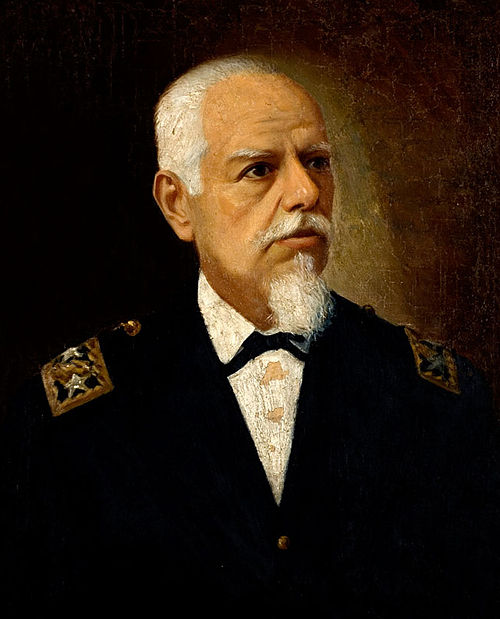
Eloy Alfaro is a city located in the Manabí province of Ecuador, known for its rich history and cultural significance. It was founded in 1897, initially named San Vicente, but was later renamed in honor of Eloy Alfaro, a prominent Ecuadorian liberal leader and president who played a crucial role in the country's modernization during the early 20th century. The city serves as a central hub for commerce and agriculture in the region, benefiting from its strategic location along the Ecuadorian coast and near the Andes mountains. Its economy is primarily based on agriculture, with crops such as bananas, coffee, and sugarcane being significant contributors. Eloy Alfaro also has vibrant artisanal crafts, which reflect the cultural heritage of the local populace.
Throughout its history, Eloy Alfaro has experienced various socioeconomic changes, especially during the political upheaval of the early 2000s. The city's population is diverse, comprising indigenous, mestizo, and Afro-Ecuadorian communities, fostering a unique cultural blend reflected in its festivals, cuisine, and traditions. The climate is typically tropical, with a wet season that supports agricultural activities, making it an important area for farming in Ecuador. Significant local events include the Fiesta de la Mama Negra, celebrated in nearby Ambato, showcasing the region's artistic expressions and communal ties. Eloy Alfaro's accessibility, combined with its agricultural productivity and cultural richness, positions it as a noteworthy city within Ecuador, contributing to both the local economy and the broader national identity.
Facts about Eloy Alfaro
- Eloy Alfaro is named after Eloy Alfaro, a prominent Ecuadorian politician and leader of the Liberal Revolution in the early 20th century.
- The city is known for its unique cultural blend, influenced by both indigenous and Spanish heritage, visible in its architecture and festivals.
- Eloy Alfaro is strategically located on the Pan-American Highway, making it a key transit point between the Sierra and the coastal regions of Ecuador.
- The city boasts the impressive Cerro Pongo, a hill that offers a panoramic view of the city and surrounding landscapes, popular for hiking and picnics.
- Eloy Alfaro hosts an annual cultural festival that showcases traditional music, dance, and food, attracting visitors from across the country.
- The city is home to the Eloy Alfaro International Airport, which plays a crucial role in promoting tourism and commerce in the region.
- Eloy Alfaro has a strong agricultural sector, particularly known for its production of flowers and crops such as sugar cane and corn.
- The city has several historical landmarks, including the Church of San Juan Bautista, which reflects the colonial architectural style.
- Eloy Alfaro is recognized for its commitment to education, with various institutions offering programs in agriculture, tourism, and technical fields.
- The local government actively promotes eco-tourism, leveraging the natural beauty of the area to support sustainable development initiatives.