Elsdorf, Germany
- 21,967 people
- 5 places to visit
- 50.9392, 6.5635
Places to Visit (5)
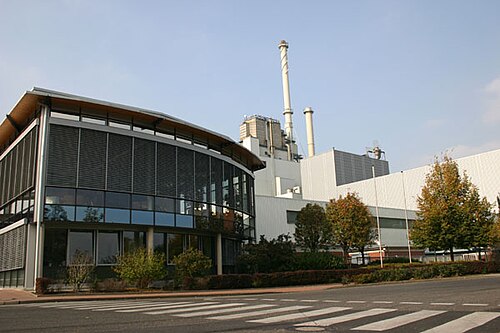
Elsdorf is a town located in the North Rhine-Westphalia region of Germany, situated within the district of Rhein-Erft-Kreis. With a population of approximately 15,000 residents, it is known for its blend of industrial heritage and residential areas. The town, which underwent significant development during the 20th century, emerged as a coal mining hub, contributing to the economic growth of the region. While mining operations have since ceased, Elsdorf has shifted its focus towards developing a more diversified economy, incorporating light industry and services.
Geographically, Elsdorf is positioned close to major cities such as Cologne and Düsseldorf, making it an attractive residential area for commuters who work in these urban centers. The town is well-connected through public transport, including bus services and nearby rail stations, which provide easy access to surrounding areas. Elsdorf boasts several parks and green spaces, offering recreational opportunities for residents. The local community is engaged in various cultural and sporting activities, supported by numerous clubs and institutions.
Elsdorf's historical roots are evident in its architecture and local traditions. While the town does not feature major tourist attractions, it provides a charming atmosphere with small shops, cafes, and essential amenities catering to daily life. The town celebrates several annual festivals that reflect its cultural heritage, fostering a sense of community among residents. Overall, Elsdorf encapsulates a tranquil lifestyle while being conveniently located near larger urban centers, making it a hidden gem in the heart of North Rhine-Westphalia.
Facts about Elsdorf
- Elsdorf is located in North Rhine-Westphalia, approximately 25 kilometers northwest of Cologne, which makes it a part of the Rhine-Ruhr metropolitan region.
- The city is known for its proximity to the Garzweiler open-cast lignite mine, one of the largest lignite coal mining operations in Europe, which has significantly shaped the local economy and landscape.
- Elsdorf was officially granted city status in 1996, making it a relatively young city compared to many others in Germany that have histories dating back centuries.
- One of the distinct landmarks in Elsdorf is the St. Lambertus Church, a neo-Gothic structure built in the late 19th century that serves as a central point of community gathering.
- The city hosts the annual Elsdorf Carnival, a vibrant event featuring parades, costumes, and local traditions that reflect the unique cultural heritage of the region.
- Elsdorf features a diverse range of recreational areas, including the Elsdorf green belt, which offers pathways and parks for walking, cycling, and enjoying nature, distinguishing it from many urbanized areas.
- The local economy is influenced by its location, with various small and medium-sized enterprises as well as a focus on sustainability and green technology initiatives.
- Elsdorf is situated on the edge of the Rhenish brown coal mining area, marking it as a pivotal location in Germany's energy sector during the transition from coal to renewable energy.
- The city has a strong community spirit, with numerous clubs and societies dedicated to sports, culture, and local history, promoting active citizen participation.
- Elsdorf is known for its well-preserved historical buildings and rural charm, making it a unique blend of urban and countryside experiences within North Rhine-Westphalia.