Ennepetal, Germany
- 32,607 people
- 5 places to visit
- 51.3001, 7.3613
Places to Visit (5)
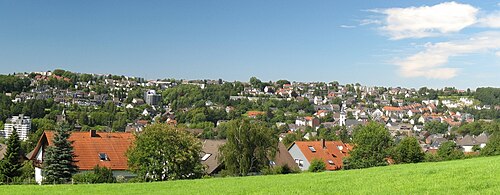
Ennepetal is a town located in North Rhine-Westphalia, Germany, within the district of Ennepe-Ruhr-Kreis. Situated in the hilly landscape of the Sauerland region, it lies approximately 30 kilometers northeast of Düsseldorf and 20 kilometers west of Dortmund. The area is characterized by its scenic valleys and woodlands, making it an attractive location for nature lovers. With a population of around 30,000 residents, Ennepetal is known for its mix of residential areas, industrial sites, and green spaces, which contribute to a balanced urban environment. The town enjoys a temperate climate, typical of the region, with mild winters and warm summers, facilitating various outdoor activities throughout the year.
Historically, Ennepetal's development was strongly influenced by the textile and metal industries in the 19th century, leading to significant economic growth. The town became an important center for manufacturing, particularly in the production of machinery and tools. While traditional industries have diminished over the years, Ennepetal has diversified its economy and now hosts various businesses across different sectors, including service industries and small to medium-sized enterprises. Cultural life in Ennepetal is vibrant, featuring events such as local festivals, art exhibitions, and markets that highlight the community's heritage and creativity. The town is also home to several historical landmarks, including the Evangelische Stadtkirche and remnants of its industrial past, which showcase Ennepetal's unique character and history.
Transportation in Ennepetal is efficient, with easy access to regional rail and bus networks, linking residents and visitors to neighboring cities. The proximity to major highways enhances connectivity, allowing for commuting to larger urban centers for work and leisure. The town also emphasizes recreational activities, with numerous hiking and biking trails available in the nearby natural reserves. Overall, Ennepetal combines a rich industrial history with a modern lifestyle, making it a noteworthy place to live and visit in Germany's Ruhr area.
Facts about Ennepetal
- Ennepetal is known for its unique location at the confluence of the rivers Ennepe and Dürger, which contributed to its historical development as a center for the textile and metal industries.
- The city has a rich industrial heritage, being part of the Ruhr area, which was historically pivotal during Germany's industrial revolution, particularly in the 19th century.
- Ennepetal features the stunning Bismarckturm, a lookout tower built in 1900 that offers panoramic views of the surrounding landscape, distinguishing it among smaller towns in the region.
- Each year, Ennepetal hosts the Ennepetaler Stadtfest, a local festival celebrating community and culture, featuring live music, local cuisine, and various activities, drawing visitors from neighboring towns.
- The Grüne Berge nature reserve surrounds Ennepetal, offering numerous hiking and biking trails, which makes it a favored spot for nature enthusiasts, unlike many larger cities that lack such proximity to nature.
- Ennepetal has a rich tradition in watchmaking, historically known as a center for clock and watch production, further differentiating it from other cities in Germany.
- The city is home to numerous half-timbered houses, particularly in the district of Voerde, showcasing the unique architectural style common in the region but less so in modern urban areas.
- Ennepetal is known for its commitment to sustainability and green initiatives, often embarking on projects to preserve its parklands and promote eco-friendly practices.
- The city has developed a significant number of sports clubs and recreational facilities, encouraging community engagement in sports that add to its vibrant local culture.
- Ennepetal has a rich musical heritage, being the birthplace of several notable musicians and hosting events that celebrate local and regional music talents, contributing to its distinctive cultural landscape.