Epe, Netherlands
- 33,385 people
- 8 places to visit
- 52.345, 5.9837
Places to Visit (8)
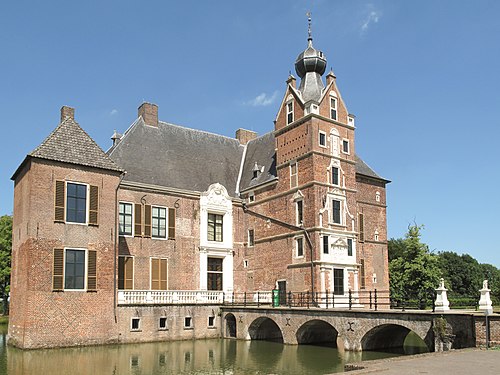
Epe is a municipality and town located in the province of Gelderland, in the eastern part of the Netherlands. Established in the 13th century, Epe has a rich history that is reflected in its architecture and local culture. Surrounded by natural beauty, the municipality is nestled between the Veluwe region's rolling hills and forests, offering a picturesque landscape that attracts both residents and visitors. The town serves as a regional hub, providing various amenities, including schools, healthcare facilities, and shopping. Epe has a population of approximately 33,000 inhabitants, showcasing a diverse community that enjoys a mix of urban and rural life.
The local economy of Epe is primarily supported by small to medium-sized enterprises, agriculture, and tourism. In recent years, tourism has gained prominence due to the area's natural attractions, such as the nearby Hoge Veluwe National Park, which features expansive woodlands and heathlands. This makes Epe an appealing destination for hiking and cycling enthusiasts. The municipality also hosts several annual events and festivals that celebrate local culture, including markets and traditional festivities that resonate with the rich heritage of the area. Overall, Epe combines a serene environment with a vibrant community, making it a unique place to live and visit in the Netherlands.
Facts about Epe
- Epe is known for its unique blend of natural beauty and historical sites, being surrounded by forests, heathlands, and the Veluwe region.
- The town's history dates back to the Middle Ages, with the first official mention as a settlement occurring in the 14th century.
- Epe is home to the historic church of de Sint-Laurentius, which features a notable tower dating back to the 12th century.
- Unlike many other towns in the Netherlands, Epe hosts the annual Eper Kermis, which is one of the largest local fairs and features traditional games and rides.
- The town is significant for its production of the 'Eper Jenevers', a local alcoholic beverage that has a distinct flavor compared to regular Dutch genever.
- Epe has played a notable role in World War II history, notably as a location for resistance activities against the Nazi occupation.
- The surrounding area of Epe includes several large estates and historical manors, such as 'De Pesselse Mill' which dates back to the 19th century.
- Epe is known for its annual 'Epe Expositie', an exhibition that showcases local arts, crafts, and culture, distinguishing it from more urban-focused festivals in other Dutch towns.
- The town has a local initiative called 'Epe Duurzaam', aimed at promoting sustainability and eco-friendly practices within the community.
- Epe is situated near the famous 'Veluwemeer', a recreational lake that offers unique water sports and nature experiences, differing from the more urban waterways found in cities like Amsterdam.