Épernay, France
- 27,082 people
- 14 places to visit
- 49.0434, 3.9562
Places to Visit (14)
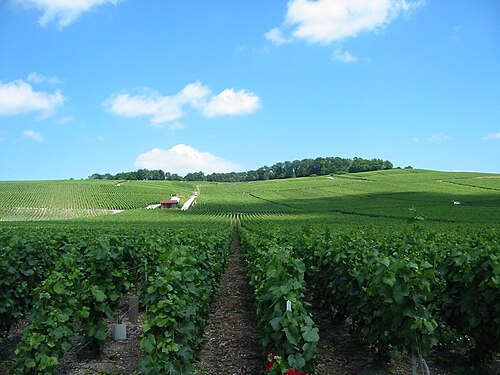
Épernay is a commune located in the Marne department in the Grand Est region of northeastern France, renowned for its significant role in the Champagne wine industry. Nestled in the heart of the Champagne wine region, Épernay is often regarded as the "Capital of Champagne" due to its prestigious vineyards and the presence of numerous prominent Champagne houses, including Moët & Chandon, Mercier, and Perrier-Jouët. The city lies along the banks of the River Marne, providing a picturesque landscape marked by rolling vineyards, historic architecture, and charming streets. Épernay's geographical location plays a crucial role in the production of Champagne, with optimal soil and climate conditions ideal for growing the three primary grape varieties: Chardonnay, Pinot Noir, and Pinot Meunier.
Épernay boasts a rich history dating back to Roman times, with notable influences from the medieval period and beyond. The local economy is significantly driven by the Champagne industry, which attracts tourists and connoisseurs from around the globe. Visitors to Épernay often explore the world-famous Avenue de Champagne, where many prestigious Champagne houses are located. This tree-lined street is dotted with elegant mansions and cellars that house millions of bottles of Champagne aging in their cool, dark depths. The Épernay tourist office offers guided tours and tastings that delve into the intricate processes of Champagne production, allowing visitors to experience the artistry and craftsmanship behind this iconic beverage.
In addition to its Champagne heritage, Épernay is home to cultural and historical sites, including the Église Saint-Pierre, a prominent church with stunning architecture, and the Collégiale Notre-Dame, which features remarkable stained glass and historical significance. The annual Champagne festival celebrates the region's viticultural legacy, bringing together locals and tourists alike for a showcase of food, music, and, of course, Champagne. With its unique blend of history, culture, and viticulture, Épernay not only stands as a cornerstone of the Champagne industry but also offers a captivating experience for anyone interested in exploring the richness of French heritage.
Facts about Épernay
- Épernay is known as the 'Capital of Champagne' due to its extensive vineyards and the numerous prestigious Champagne houses located there.
- The Avenue de Champagne in Épernay is lined with grand Champagne houses and is a UNESCO World Heritage site, recognized for its historical significance in the production of Champagne.
- Épernay has over 110 kilometers of chalk cellars that house the Champagne produced in the region, many of which can be visited by tourists.
- The city was a key strategic point during World War I and saw significant battles, impacting its development and architecture.
- Épernay hosts the annual Champagne Festival (Fête de la Champagne), celebrating locally produced Champagne with tastings, music, and events.
- The Épernay and Chalons-en-Champagne Airport provides direct access to the region, making it a convenient gateway for Champagne tourism.
- In the late 19th century, Épernay was instrumental in developing the Champagne industry with innovations in production and marketing strategies.
- Architecturally, Épernay features a mix of styles including Art Deco and local Gothic elements, particularly visible in the Église Saint-Laurent.
- The city is home to the famous Champagne house Moët & Chandon, founded in 1743, which has had a considerable impact on the global Champagne market.
- Épernay is located in the Marne department of the Grand Est region and is surrounded by the scenic vineyards of the Champagne region, drawing wine enthusiasts year-round.