Erbil, Iraq
- 1,612,700 people
- 10 places to visit
- 36.1877, 44.0107
Places to Visit (10)
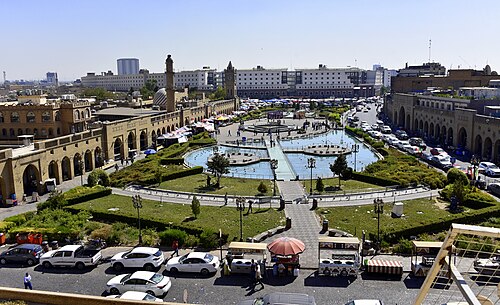
Erbil, the capital of the Kurdistan Region in Iraq, is one of the oldest continuously inhabited cities in the world, with a history dating back at least 6,000 years. Located in the northern part of the country, Erbil serves as a cultural and economic hub for the Kurdish people. The city is characterized by its rich heritage and historical significance, prominently featuring the ancient Citadel of Erbil, a UNESCO World Heritage site. This citadel, which stands approximately 32 meters high, is located in the center of the city and has historical layers reflecting various civilizations, including the Assyrians and Sassanids.
In recent years, Erbil has experienced significant development and modernization, turning into a major center for trade and investment in Iraq. Its infrastructure has improved remarkably, with the construction of modern roads, shopping malls, and hotels catering to both locals and tourists. The city plays a critical role in the politics and economy of the Kurdistan Region, maintaining relative stability compared to other parts of Iraq. Erbil International Airport has also expanded, connecting the city to various destinations worldwide, further establishing Erbil as an important travel hub. Moreover, the hospitality of its residents and vibrant cultural scene, featuring traditional music, art, and cuisine, make Erbil an attractive destination for visitors seeking to explore the rich tapestry of Kurdish culture.
Erbil's population reflects a mix of ethnicities and religious backgrounds, predominantly Kurdish, but also including Arabs, Turkmen, and Assyrians. Despite the challenges faced by the region, including the ramifications of the Iraqi civil conflict and the rise of ISIS, Erbil has maintained a sense of resilience. The city's local governance has emphasized development projects aimed at improving living standards and economic growth, appealing to foreign investors and fostering a sense of community among its diverse population. As Iraq continues to grapple with its complex political landscape, Erbil stands out as a beacon of stability and a symbol of Kurdish identity, embodying both historical significance and modern aspirations.
Facts about Erbil
- Erbil is one of the oldest continuously inhabited cities in the world, with evidence of settlement dating back over 6,000 years.
- The ancient Citadel of Erbil, a UNESCO World Heritage Site, is a prominent landmark that sits atop a tell and is recognized for its unique architecture and historical significance.
- Erbil serves as the capital of the Kurdistan Region of Iraq, which operates with a high degree of autonomy compared to the federal government in Baghdad.
- The city is known for its modern development, featuring numerous high-rise buildings, shopping malls, and a thriving hospitality sector that distinguishes it from other cities in Iraq.
- Erbil hosts the Kurdish cultural festival, an annual event celebrating Kurdish heritage through music, dance, and traditional crafts, attracting both locals and tourists.
- The city's bazaar, known as Qaysari Bazaar, is famous for its vibrant atmosphere, offering a wide range of local handicrafts, spices, and foods, showcasing Kurdish culture.
- Erbil International Airport is one of the busiest airports in Iraq, serving as a key gateway for international travelers to the Kurdistan Region.
- The city is home to numerous ancient sites, such as the remains of the Assyrian city of Kalhu (Nimrud), highlighting its historical significance as a center of ancient civilizations.
- Erbil's diverse population, including Kurds, Arabs, Christians, and Turkmen, contributes to its rich cultural tapestry and social dynamism.
- The city has made significant strides in education and technology, with new universities and tech hubs emerging, positioning Erbil as a growing center for innovation in the region.