Erftstadt, Germany
- 51,207 people
- 9 places to visit
- 50.7997, 6.774
Places to Visit (9)
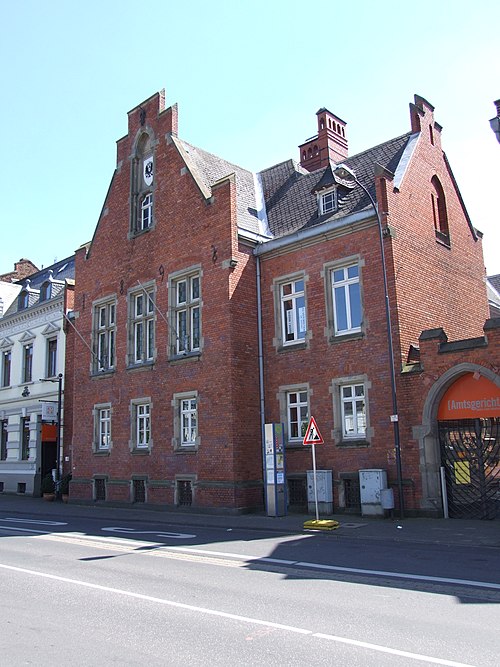
Erftstadt is a town located in the state of North Rhine-Westphalia, Germany. It is situated approximately 20 kilometers southwest of Cologne and is part of the Rhein-Erft-Kreis district. Established in 1969 through the amalgamation of several smaller municipalities, Erftstadt encompasses a variety of neighborhoods and is characterized by its suburban environment, green spaces, and historical significance. The town is named after the Erft River, which flows through the region, contributing to its scenic landscape.
Erftstadt boasts a population of around 30,000 inhabitants and offers a blend of modern living with traditional German culture. It features several notable historical sites, including the remnants of a medieval castle in the district of Lechenich and the impressive St. John's Church, which dates back to the Romanesque period. The town's local economy is primarily driven by small and medium-sized enterprises, alongside some agricultural activities in the surrounding areas. Erftstadt is well-connected by road and rail, making it an attractive location for commuters traveling to nearby cities like Cologne and Bonn.
In recent years, Erftstadt has gained attention due to its involvement in the environmental discussions surrounding the region's water supply and sustainability practices. The town promotes various recreational activities, including cycling and hiking along the Erft River, showcasing its commitment to preserving natural resources and enhancing quality of life for its residents. With a focus on community development and maintaining its historical identity, Erftstadt exemplifies the typical lifestyle of a modern German town, while also facing contemporary challenges related to urbanization and environmental sustainability.
Facts about Erftstadt
- Erftstadt is known for its unique geographical location, being situated at the confluence of the river Erft and the larger Rhine River, which plays a significant role in its agricultural and industrial activities.
- The city is notable for its extensive network of parks and green spaces, particularly the Erft Park, which emphasizes the city's commitment to maintaining natural landscapes within urban settings.
- Erftstadt was officially established as a city in 1969 through the amalgamation of several towns, making it a relatively young city compared to its historical counterparts in Germany.
- The city is home to the historic St. John's Church (Johanneskirche), which dates back to the 13th century and showcases a blend of Gothic and Baroque architectural styles.
- Erftstadt is part of the larger Cologne/Bonn metropolitan area, which influences its economic development and cultural exchanges, distinguishing it from smaller, more isolated towns.
- The city hosts the Erftstadt Carnival, a lively annual event characterized by parades, costumes, and traditional Rhine regional festivities, setting it apart from other towns without such vibrant celebrations.
- Erftstadt has its own unique local dialect, a variation of the Ripuarian Franconian dialect, which reflects the cultural heritage and local identity of the region.
- The town has historical significance as a center for brown coal mining in the region, which shaped its economic landscape and employment opportunities from the late 19th century until the late 20th century.
- Erftstadt's proximity to Cologne and its efficient transportation infrastructure, including access to the A1 and A61 motorways, attracts commuters and businesses, fostering a unique suburban community.
- The city is known for its commitment to sustainable development and environmental awareness initiatives, distinguishing itself as a model for modern green urban living in Germany.