Erlangen, Germany
- 102,675 people
- 19 places to visit
- 49.5897, 11.012
Places to Visit (19)
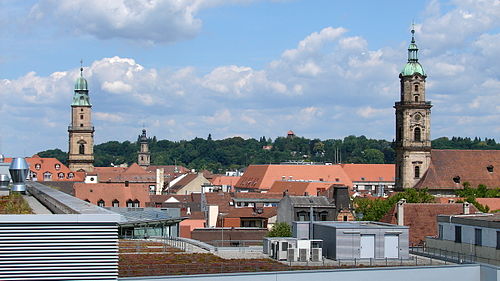
Erlangen is a picturesque city located in Bavaria, Germany, situated approximately 20 kilometers northwest of Nuremberg. With a population of around 112,000 residents, it is known for its significant contributions to education, research, and technology. The city was founded in the 13th century and has a rich history that intertwines with its development as a center for Jewish scholarship, particularly during the 18th century, when it became home to one of Europe’s largest Jewish communities. Erlangen gained prominence in the 19th century, mainly due to its establishment as a university town in 1743 with the creation of Friedrich-Alexander University, which remains one of the leading institutions of higher education in Germany today.
Erlangen's striking blend of historical architecture and modern developments makes it an attractive destination. The city's baroque center features beautifully preserved buildings, including the Markgrafen Museum and the larger-than-life castle, which are reminders of its noble lineage. The annual Erlangen Bergkirchweih, a traditional beer festival, highlights the city's vibrant cultural life, drawing thousands of visitors each year to celebrate with local brews and festivities. Additionally, Erlangen has positioned itself as a hub for the tech industry, primarily driven by its research connections with the university and local companies, notably in the fields of information technology and biotechnology. This dynamic environment not only fosters innovation but also contributes to the city's economic stability.
The city's efficient public transport, including trams and buses, makes it accessible for residents and visitors alike, facilitating exploration of nearby cities and regions. The surrounding area offers beautiful parks and paths for outdoor activities, as well as opportunities for cycling and hiking, making it an ideal location for nature enthusiasts. The harmonious blend of academia, industry, and cultural heritage underscores Erlangen's significance as a modern European city while reflecting its historical roots and contributions to the region. With its strong academic framework and vibrant community life, Erlangen continues to be an influential player in Bavaria and an attractive place for innovation and growth.
Facts about Erlangen
- Erlangen is home to one of the oldest botanical gardens in Germany, founded in 1753, which is part of Friedrich-Alexander University.
- The city is known for its unique 'Erlangen Habit,' a tradition where students celebrate their academic achievements with a public parade known as 'Nürnberger Straßenfest' each summer.
- Erlangen has a significant industrial heritage, particularly in the field of electrical engineering, being the birthplace of the Siemens company which was co-founded by Werner von Siemens.
- The city hosts the annual Erlangen Comic Salon, one of the largest comic conventions in Germany, attracting comic enthusiasts from all over the country and beyond.
- Erlangen is part of the Metropolitan Region of Nuremberg, providing a unique blend of urban and rural lifestyles with access to resources and cultural offerings in a smaller town atmosphere.
- The city is known for its significant Jewish history, which is commemorated through the Jewish Community Center and various memorials to the Jewish population that once thrived there.
- Erlangen is recognized for its well-preserved Baroque architecture, particularly visible in the city's historic center and around the Marktplatz.
- It was the first city in Germany to implement a city-wide bike-sharing program in 2000, promoting sustainable transportation methods among its residents.
- Erlangen is notably the only city in Germany with a university that plays a vital role in the development of pharmaceuticals, particularly with its collaboration with the pharmaceutical industry.
- The Erlangen-based company “FAU” (Friedrich-Alexander-University Erlangen-Nuremberg) is one of the top universities for research in engineering and natural sciences in Germany.