Esbjerg, Denmark
- 71,698 people
- 12 places to visit
- 55.4765, 8.4594
Places to Visit (12)
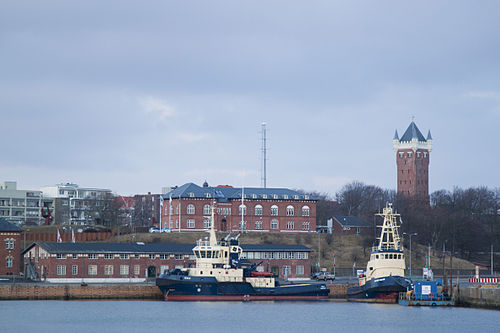
Esbjerg is a vibrant city located on the southwestern coast of Denmark, in the region of Southern Denmark. Founded in 1868, it began as a fishing port but has since evolved into one of Denmark's largest ports and a crucial hub for shipping and maritime activities. Esbjerg is well-known for its significant role in the offshore oil and gas industry, as well as for its burgeoning renewable energy sector, particularly wind energy. The city's strategic location on the North Sea makes it an ideal point for connecting with various international markets, particularly those in Europe. With a population of around 72,000, Esbjerg is the fifth largest city in Denmark and serves as an important economic center for the region.
The city is characterized by its modern architecture and vibrant cultural scene, which includes numerous museums, galleries, and theaters. A notable landmark is the Esbjerg White Water Tower, which offers panoramic views of the city and surroundings. The city's waterfront area is also famous for the "Men at Sea," a sculpture installation featuring four large, white figures standing on the coastline, which symbolizes the city's connection to the sea and maritime culture. Esbjerg hosts various festivals throughout the year, including the annual Esbjerg Festival, which showcases local music, arts, and cuisine. Additionally, the city is well-connected through public transport and road networks, making it accessible for both residents and visitors alike.
Esbjerg's commitment to sustainability is evident in its investment in green technologies and initiatives aimed at environmental preservation. The city is transitioning towards becoming a center for offshore wind farms, which aligns with Denmark's ambitious goals for renewable energy. Furthermore, Esbjerg boasts several parks and green spaces that contribute to the quality of life for its residents. The blend of industrial growth, cultural richness, and sustainability makes Esbjerg a unique city within Denmark, showcasing the nation’s commitment to progress while honoring its maritime heritage.
Facts about Esbjerg
- Esbjerg is known for its monumental 'Man Meets the Sea' sculpture, which features four giant white figures standing on the western coast, symbolizing the meeting point between the sea and mankind.
- Esbjerg has the largest commercial port in Denmark, making it a crucial hub for trade and maritime activities.
- The city is home to the annual Esbjerg Maritime Festival, celebrating the city’s rich maritime heritage with various events, exhibitions, and activities.
- Esbjerg was established as a town in 1868, primarily to facilitate the growing trade and shipping industry, which makes it one of the newer cities in Denmark.
- Esbjerg is also a center for renewable energy, with numerous companies in the wind energy sector, contributing significantly to Denmark’s status as a leader in sustainable energy.
- The city hosts the Esbjerg Performing Arts Center, which is known for its vibrant cultural scene, including music, theater, and dance performances.
- Esbjerg is known for its unique coastal landscape, featuring extensive beaches, dunes, and the Wadden Sea, which is a UNESCO World Heritage Site.
- Esbjerg has a strong connection to the offshore oil and gas industry, with many companies operating in this sector providing high-skilled jobs to the local population.
- The city has a rich sporting culture, and it is home to Esbjerg fB, one of Denmark's oldest and most successful football clubs.
- Esbjerg's historical significance includes being a naval base during World War II, which has shaped its development and strategic importance.