Eschweiler, Germany
- 55,778 people
- 10 places to visit
- 50.8107, 6.2631
Places to Visit (10)
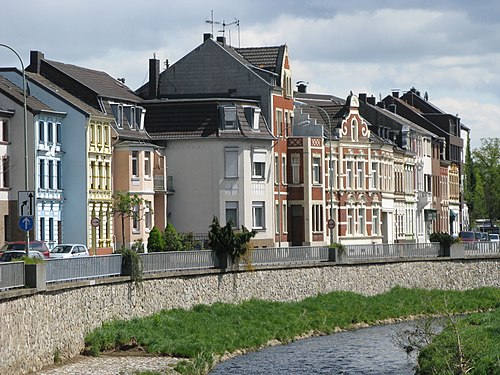
Eschweiler is a charming city located in North Rhine-Westphalia, Germany, nestled in the heart of the Rhenish mining region. With a population of approximately 56,000, it serves as an important local center in the district of Aachen. Its historical roots trace back to the Roman era, evidenced by archaeological discoveries in the region. The city's name, derived from the word "Esch," refers to the ash tree, which is abundant in the area. Positioned along the Wurm River, Eschweiler has a rich industrial history, once a hub for coal mining and the iron and steel industry, which has significantly shaped its development throughout the 19th and 20th centuries.
Today, Eschweiler combines its industrial heritage with modern amenities and a vibrant cultural scene. Attractive architectural features, including the Church of St. Peter and the Old Town Hall, reflect a blend of historical styles, showcasing the city’s development over the centuries. The city is well-connected via public transportation, with access to major highways and rail networks that facilitate travel to nearby cities such as Aachen and Cologne. In terms of leisure and recreation, Eschweiler is surrounded by natural beauty, with parks and trails that offer opportunities for outdoor activities. The local community takes pride in its annual events, including local festivals, markets, and cultural performances that foster a sense of unity and promote the city's traditions. As it continues to evolve, Eschweiler remains a picturesque and dynamic place, balancing its historical significance with contemporary life.
Facts about Eschweiler
- Eschweiler is known for its unique industrial heritage, particularly in coal mining and manufacturing, which has shaped its development since the 19th century.
- The city is home to the historic Eschweiler Castle, which dates back to the 14th century and features Renaissance architecture, making it a notable landmark.
- Eschweiler hosts the annual 'Eschweiler Kurse,' a series of cultural events that showcase local artisans, creating a vibrant atmosphere that is distinct from other cities.
- The city's location at the confluence of the Inde and Wurm rivers provides unique natural landscapes and recreational opportunities uncommon in many other German cities.
- Eschweiler has a significant community of Turkish immigrants, contributing to its diverse culture and culinary scene, particularly in contrast to smaller towns.
- The city's traditional 'Wurstmarkt,' or sausage market, highlights its local culinary traditions and draws visitors, celebrating regional gastronomy.
- Eschweiler is part of the Aachen region, known for its proximity to Belgium and the Netherlands, offering a unique blend of Germanic and neighboring cultures.
- The St. Peter and Paul Church, a striking Gothic building, showcases Eschweiler's historical and architectural significance unlike the many Baroque churches common in Germany.
- Eschweiler has actively developed green spaces and parks, including the large 'Stadionpark,' reflecting a commitment to environmental sustainability that stands out in urban Germany.
- The city was awarded the title of 'Garden City' in 2014, recognizing its commitment to enhancing urban greenery and improving residents' quality of life.