Escuintla, Guatemala
- 156,313 people
- 3 places to visit
- 14.3009, -90.7882
Places to Visit (3)
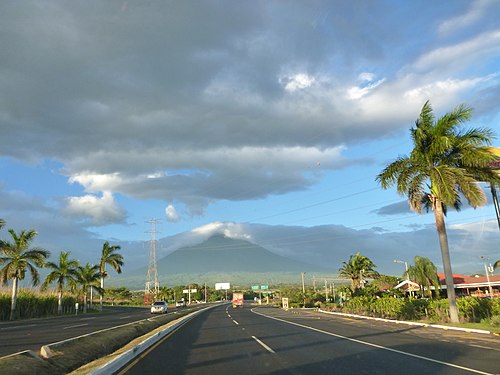
Escuintla is a vibrant city located in the south-central region of Guatemala, serving as the capital of the Escuintla department. With a population of around 200,000 residents, it stands as one of the country's major urban centers. The city is situated about 60 kilometers southwest of Guatemala City, making it an essential hub for commerce and transportation. Historically significant, Escuintla was founded in 1524, making it one of the earliest cities established by Spanish colonizers in the region. The geographic location of Escuintla, nestled between the Pacific Ocean and the Sierra Madre mountain range, offers a tropical climate conducive to agriculture, particularly the cultivation of sugarcane and various fruits.
Economically, Escuintla plays a crucial role in Guatemala's economy, with its industries primarily revolving around agriculture, manufacturing, and trade. The city hosts several sugar refineries, which are among the largest in Central America, contributing significantly to both local and national economies. Additionally, Escuintla acts as a critical transit point for goods traveling from the interior highlands to the Pacific coast, underscoring its strategic importance in regional trade. The city's cultural landscape reflects a blend of indigenous Mayan heritage and Spanish influence, evident in its architecture, festivals, and local traditions. Events such as the Feria de Escuintla, celebrated annually in July, highlight the city’s vibrant community spirit.
Escuintla also serves as a gateway to several archaeological and natural attractions, making it a point of interest for both domestic and international tourists. Nearby sites include the Pacaya Volcano, an active volcano popular with hikers, and various Mayan ruins that showcase the rich historical tapestry of the region. Despite facing challenges such as urban growth and environmental concerns, Escuintla continues to evolve, balancing its historical roots with modern development. The city's unique blend of culture, economy, and scenic beauty makes it a notable destination in Guatemala, reflecting the diverse aspects of Guatemalan life and history.
Facts about Escuintla
- Escuintla is known as the 'Gateway to the Pacific', making it a crucial point for trade and transportation between the interior of Guatemala and the Pacific Coast.
- The city has a rich history dating back to pre-Columbian times, with various ancient Mayan sites located in the surrounding areas.
- Escuintla is home to the Ruiz Volcano, also known as Volcán de Fuego, which is one of Guatemala's most active volcanoes and provides a stunning backdrop to the city.
- The city hosts the annual Festival of the Virgin of Concepción, a colorful celebration featuring traditional music, dance, and processions, distinguishing it from other towns in the country.
- Escuintla has a thriving agricultural sector, particularly known for its production of sugarcane, which is one of the main economic activities in the region.
- The historic Church of San Juan Bautista, built in the 18th century, is a significant landmark in Escuintla, showcasing colonial architecture and history.
- The city is a key center for both commercial and industrial activities, including textile manufacturing and food processing, making it economically unique compared to other Guatemalan cities.
- Escuintla's geographical location makes it more susceptible to climate changes, with a warm temperate climate that contributes to its agricultural productivity.
- The city has an important railway network that historically connected it to Guatemala City and the Pacific coast, playing a vital role in trade and transport.
- In 2018, Escuintla gained notoriety for being near the Volcán de Fuego eruption that caused significant damage; its recovery efforts have highlighted the resilience of the local community.