Eskilstuna, Sweden
- 67,359 people
- 13 places to visit
- 59.3712, 16.5098
Places to Visit (13)
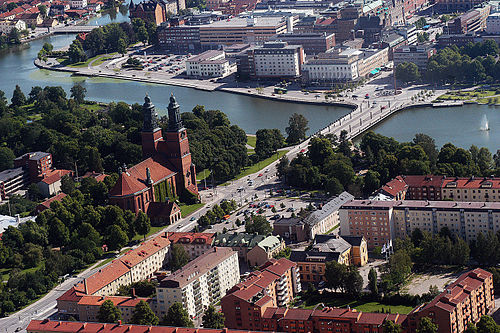
Eskilstuna is a city located in Södermanland County, Sweden, approximately 130 kilometers west of Stockholm. With a population of around 70,000 inhabitants, it is the administrative center of Eskilstuna Municipality. The city is situated at the confluence of the Eskilstuna River and the Mälaren Lake, utilizing its strategic position for trade and industry since the medieval period. Eskilstuna’s history can be traced back to the 13th century, and it was granted city rights in 1659. The area has been known for its metalworking and industry, particularly in the 19th century when it gained prominence for producing tools and weapons. Notably, the city is home to the Eskilstuna Forge, which played a significant role in the industrial advancement of Sweden.
In addition to its industrial heritage, Eskilstuna boasts a rich cultural landscape featuring numerous parks, museums, and historical sites. The city is renowned for its beautiful green spaces, with parks such as Rademachersmedjorna, which serves as a cultural center and hosts local artisans. The city also features the Eskilstuna Art Museum, which showcases contemporary artwork and provides a platform for local and international artists. Furthermore, the Klosters Church, dating back to the 13th century, offers visitors a glimpse into the city’s historical architecture. Eskilstuna promotes a vibrant community life with various events and activities throughout the year, including markets, festivals, and outdoor concerts. The city is well-connected by public transport, enhancing accessibility to nearby regions and Stockholm.
Eskilstuna is embracing modern development while honoring its historical roots. The city has also focused on sustainable practices, aiming to become a greener, more eco-friendly urban environment. This includes initiatives in transport and energy efficiency, as well as promoting cycling and public transport. Eskilstuna’s educational institutions, including its university and various vocational schools, foster innovation and provide a skilled workforce, making it a hub for both existing industries and startups. Overall, Eskilstuna exemplifies a balance between preserving its rich heritage and pursuing a progressive future, attracting residents and visitors alike with its unique blend of history, culture, and modernity.
Facts about Eskilstuna
- Eskilstuna is known for its leather industry, which dates back to the 17th century and contributed to its economic growth.
- The city is home to the Eskilstuna River, which played a crucial role in the development of local industry, particularly in water-powered manufacturing.
- Eskilstuna is famous for its unique craftsmanship of knives and tools, with brands like Eskilstuna kniv, which have international recognition.
- The city hosts the annual 'Kulturdagen' (Culture Day), celebrating local culture with arts, performances, and activities for all ages.
- Eskilstuna is home to Sweden's first and only 'Zoologiska Trädgården' (zoo) that also focuses on conservation and education.
- The Rademachersmedjorna is an 18th-century foundry area in Eskilstuna that stands as a historical landmark and a precursor to the industrial revolution in Sweden.
- Eskilstuna has been recognized as Sweden's 'ECO-City,' promoting sustainability and innovative urban development.
- The city features Vasa Park, which is the site of a historic wooden safe house used by fugitives during World War II.
- Eskilstuna is associated with the renowned Swedish philosopher and social reformer, Axel Oxenstierna, who was one of the key figures in Swedish history.
- The city's location along the Södermanland Canal makes it a strategic point for boating and trade in the region.