Espelkamp, Germany
- 26,378 people
- 52.3815, 8.621
No places available for this city.
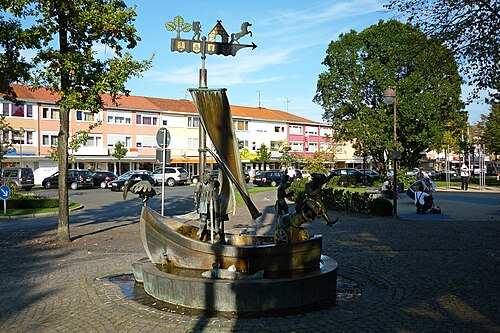
Espelkamp is a municipality located in the district of Minden-Lübbecke in North Rhine-Westphalia, Germany. With a population of approximately 11,000 inhabitants, it was established in the early 20th century, emerging from a settlement founded by the German Resettlement Corporation (German: Ansiedlungsgesellschaft) in 1946. The town's name, derived from the nearby Espelkanal, reflects its connection to the region's waterways. Historically, Espelkamp is notable for its rapid development during the post-World War II era, transitioning from a primarily agricultural community to a vibrant industrial center, primarily known for its manufacturing of furniture and wood products.
Espelkamp's location along the B239 highway provides easy access to larger cities such as Osnabrück and Minden, enhancing its appeal as a residential area. The municipality combines urban and rural elements, featuring green spaces and facilities for recreation as well as a focus on education and community services. The town boasts a range of cultural institutions, including theaters and galleries, which foster a sense of community and encourage regional culture. The town council actively promotes local events and markets, reinforcing a tight-knit community atmosphere. Additionally, Espelkamp is home to several industrial companies, making it an important economic hub in the region.
The education system in Espelkamp is well-regarded, featuring several primary and secondary schools, as well as vocational training options that serve the local economy's demands. The community also places a significant emphasis on sports and youth activities, providing numerous facilities for football, basketball, and other athletic pursuits. Overall, Espelkamp offers a blend of industrial development, community values, and educational opportunities, making it a unique locale within Germany's diverse landscape.
Facts about Espelkamp
- Espelkamp was founded in 1949 specifically as a resettlement area for displaced persons after World War II, distinguishing it as a planned town in contrast to many older German cities.
- The city is known for its unique industrial heritage, particularly in the field of furniture production, having evolved from a predominantly agricultural area into an industrial center.
- Espelkamp is home to the 'Espelkamp 's Child', a unique project aimed at integrating children with various abilities, which is reflective of the city’s commitment to social inclusivity.
- The town has an innovative approach to urban development, with a focus on sustainability and green spaces, setting it apart from many other German towns which have a more traditional layout.
- The Espelkamp Community Center, built in the 1990s, serves as a central hub for cultural and civic activities, signifying its role as a community-oriented city.
- Each year, Espelkamp hosts the 'EspelCamp Festival', a unique event celebrating local culture, arts, and food, attracting visitors from surrounding areas.
- The 'Espelkamp Aue' park along the banks of the river is a prominent feature of the city, providing recreational opportunities and picturesque landscapes uncommon in more urbanized areas.
- The city's architecture is notable for its mixture of post-war designs and modern constructions, providing a stark contrast to the medieval styles found in many other German cities.
- Espelkamp has been active in promoting regional history through its local museums, including the Historienspeicher, which documents the city's evolution from a wartime settlement to a vibrant community.
- The city's strategic location between major cities like Osnabrück and Bielefeld provides a unique blend of rural charm and urban accessibility, setting it apart from more isolated towns.