Essen, Germany
- 593,085 people
- 17 places to visit
- 51.4576, 7.0225
Places to Visit (17)
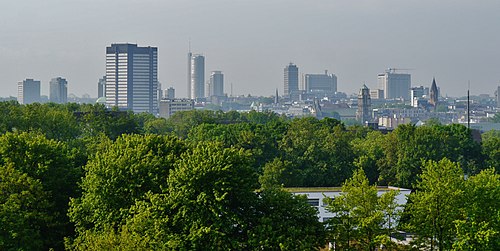
Essen, a city located in the North Rhine-Westphalia region of Germany, is one of the largest urban centers in the Ruhr area. With a population of approximately 590,000 residents, it has a rich industrial heritage and a significant historical background. Originally founded in the 9th century, Essen became an important center for the Holy Roman Empire, particularly due to the establishment of the Essen Abbey, which played a crucial role in the development of the city. The city’s industrial growth was accelerated during the 19th century, primarily fueled by the coal and steel industries, transforming Essen into a vital economic hub. By the early 20th century, it was home to prominent companies such as Krupp, renowned for its contributions to arms manufacturing and heavy industry.
In contemporary times, Essen has evolved into a modern city that blends its industrial past with contemporary developments. It is noted for its commitment to sustainability and urban revitalization, with efforts aimed at transforming former industrial sites into green spaces and residential areas. One of the city's key attractions is the Zollverein Coal Mine Industrial Complex, a UNESCO World Heritage Site, showcasing the history of industrialization in the region. Additionally, Essen is recognized for its cultural offerings, including museums like the Museum Folkwang, which is known for its outstanding collection of modern art. The city is also a center for commerce and education, hosting various institutions, such as the University of Duisburg-Essen, which contributes to its vibrant academic environment. Essen's strategic location within the Rhine-Ruhr metropolitan area allows for excellent connectivity to other major cities in Germany, further establishing it as a significant player in the country's socioeconomic landscape.
Facts about Essen
- Essen is home to the Zollverein Coal Mine Industrial Complex, a UNESCO World Heritage Site, renowned for its innovative architecture and role in the coal and steel industry until its closure in 1986.
- The city was the historical center of the Ruhr Valley's coal mining industry and is often referred to as the birthplace of the Ruhrgebiet, a major industrial region in Germany.
- Essen hosts the world’s first and largest public museum of contemporary art, the Museum Folkwang, which was founded in 1922 and houses an extensive collection of 19th and 20th-century artworks.
- Essen is also known for its thriving green spaces, including the Grugapark, which features beautiful gardens, a zoo, and various recreational activities, making it one of the region's largest urban parks.
- The city is a significant educational hub, home to the University of Duisburg-Essen, one of the largest universities in Germany, known for its research and innovation.
- Essen was the site of the Treaty of Essen in 1823, which aimed to address territorial disputes among the German states and played a role in the formation of modern Germany.
- It is the only city in Germany to have been awarded the title of European Capital of Culture in 2010, alongside the neighboring city of Ruhrgebiet, celebrating cultural innovation and post-industrial development.
- Essen hosts the annual 'Essen Motor Show', which is one of the leading automotive trade fairs in Europe, attracting car enthusiasts and industry professionals from around the world.
- The city is also known for its historical cathedral, the Essen Minster, which dates back to the 8th century and features a remarkable treasury that includes medieval artifacts.
- Essen's culinary scene is notable for its diverse offerings, including the famous 'Essen currywurst', and it is also home to the celebrated 'Essen International Short Film Festival', showcasing global short films.