Etāwah, India
- 257,448 people
- 26.7829, 79.0277
No places available for this city.
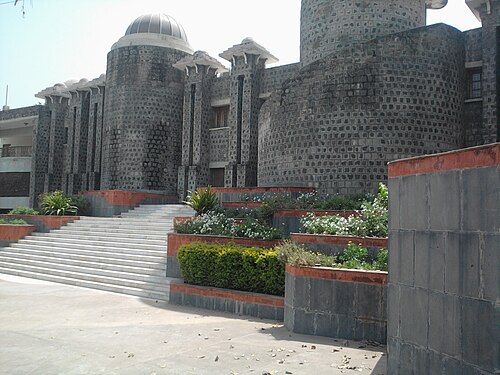
Etāwah is a city situated in the north Indian state of Uttar Pradesh. It serves as the administrative headquarters of the Etāwah district and is located approximately 250 kilometers west of the state capital, Lucknow. The city lies on the banks of the Yamuna River, which holds both historical and cultural significance in India. Its geographical position has made it an important hub for trade and commerce over the years. The region is known for its agricultural contributions, particularly in the cultivation of crops like barley, wheat, and pulses, thriving due to the fertile alluvial soil along the river.
Etāwah has a rich historical background that dates back to ancient times. It is believed to have been inhabited since the time of the Mahabharata and has several relics of its past, including temples and monuments that reflect a mix of architectural influences. The city was known as the birthplace of several prominent figures in Indian history, including the revered poet and scholar Kalidasa. Additionally, it is recognized for its contribution to folklore and traditional arts, particularly in music and handicrafts. The local economy is supported not only by agriculture but also by various small-scale industries, and the city has seen steady growth in infrastructure, education, and healthcare.
In recent years, Etāwah has been gaining recognition for its educational institutions, with several schools and colleges offering quality education to students. The city is well-connected by road and rail, making it accessible for travelers and locals alike. Tourist attractions within the city include the historic Bhindawali Lake and the Kamtanath Temple, among others, which draw visitors interested in the region's natural beauty and cultural heritage. Overall, Etāwah embodies a blend of tradition and modernity, reflecting the diverse tapestry of Indian life while continuing to evolve with the changing times.
Facts about Etāwah
- Etāwah is known for its rich history, having been a significant site during the Mauryan and Gupta empires.
- The city is home to the famous Etāwah Lion Safari, one of the first lion safaris in India, showcasing wildlife conservation efforts.
- Etāwah is associated with the ancient pilgrimage site of the Kapiladhwaj, linked to Hindu mythology and reverence.
- The region is renowned for its production of quality ‘Tonk’ handicrafts, including brass and stone carvings, which are unique to the area.
- Etāwah played a key role in India’s First War of Independence in 1857, with several notable freedom fighters emerging from the region.
- The city is known for the historical 'Etawah Fort', which dates back to the 18th century and serves as a reminder of the city’s medieval past.
- Etāwah is also recognized for its innovative agricultural practices, particularly in the cultivation of vegetables and fruits like guavas.
- The bustling Etāwah market area is famous for its vibrant local culture and traditional street food, distinguishing it from other cities.
- Etāwah has produced several prominent figures in Indian politics and arts, contributing significantly to the cultural tapestry of the nation.
- The annual Etāwah Mahotsav celebrates the local heritage, arts, and crafts, attracting visitors and promoting cultural tourism.