Évreux, France
- 57,795 people
- 8 places to visit
- 49.027, 1.1514
Places to Visit (8)
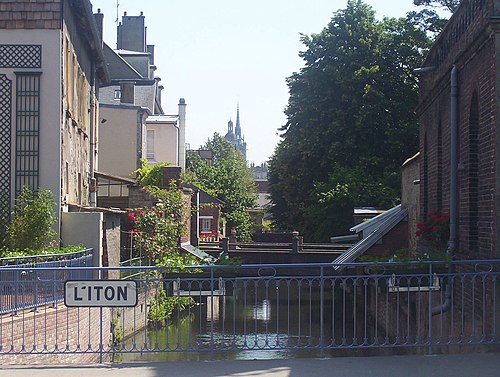
Évreux is a historic city located in the Normandy region of northwestern France, approximately 100 kilometers west of Paris. It serves as the capital of the Eure department and is notable for its rich cultural heritage and architectural landmarks. The city has a population of around 50,000 residents, making it one of the larger urban centers in the region. Évreux has a strategic position along the Iton River, which has played a significant role in its development over the centuries. The area has roots dating back to Roman times, and archaeological evidence shows that it was an important Gallo-Roman settlement known as Mediolanum Aulercorum.
The architecture of Évreux reflects its long history, with notable structures including the Cathedral of Notre-Dame, a stunning example of Gothic architecture that dates back to the 11th century. The city also features remnants of its medieval past, such as the 12th-century Church of Saint-Taurin and various half-timbered houses. Throughout history, Évreux has experienced significant events, including destruction during the Hundred Years' War and later reconstruction efforts. The city was also impacted during World War II, but many historical buildings survived. Today, Évreux is recognized for its vibrant cultural life, including museums such as the Musée d'Évreux, which showcases local history and art. The city also hosts various festivals and events that celebrate its heritage and provide a lively atmosphere for both residents and visitors. From the picturesque streets lined with historic buildings to its lush green spaces, Évreux offers a blend of history and modernity that attracts tourists and locals alike.
Facts about Évreux
- Évreux is known for its rich Gallo-Roman history, with significant archaeological sites such as the Roman theater and ancient walls.
- The city is home to the Gothic-style Évreux Cathedral, officially known as Cathédrale Notre-Dame de Évreux, which dates back to the 11th century and features remarkable stained glass windows.
- Évreux was heavily bombed during World War II, leading to extensive reconstruction efforts that have shaped its modern architecture, contrasting with many other historic towns in France that remained intact.
- The city is located near the Seine River, offering scenic river views and opportunities for water-related activities, distinguishing it from other inland towns in Normandy.
- Évreux hosts the International Circus Festival, showcasing world-renowned circus acts, making it unique among French cities known primarily for their traditional arts and culture.
- The city is linked to historical figures such as Joan of Arc, who is said to have passed through Évreux on her way to Orléans, adding a layer of historical significance to the town.
- Évreux is part of the Normandy region, which was pivotal during the D-Day landings, and the town has numerous memorials and museums dedicated to World War II history.
- The botanical garden of Évreux, created in the 19th century, is a rare example of a public garden that combines horticultural diversity with historical elements within a city setting.
- The Évreux Museum of Art and History features collections ranging from prehistoric artifacts to modern art, emphasizing the city's commitment to cultural preservation and education.
- Évreux is strategically positioned between Paris and Rouen, making it an important transit hub which enhances its economic and cultural connections, unlike many isolated towns in France.