Facatativá, Colombia
- 141,762 people
- 1 places to visit
- 4.81, -74.354
Places to Visit (1)
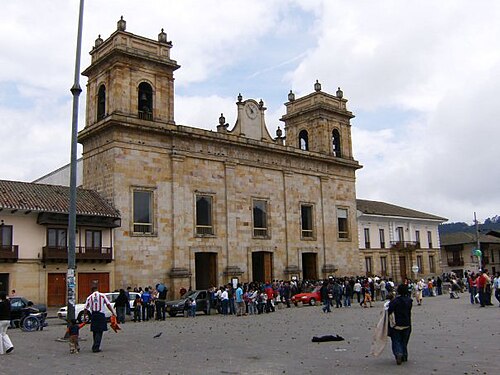
Facatativá is a municipality located in the Cundinamarca department of Colombia, situated approximately 35 kilometers northwest of Bogotá, the nation's capital. This city, with a population of around 130,000 inhabitants, serves as an important urban center in the Altiplano Cundiboyacense region. Facatativá is renowned for its historical significance, vibrant culture, and picturesque landscapes, making it an appealing destination for both locals and tourists. The city is strategically positioned near the important geological formation known as the Sumapaz Páramo, which contributes to its ecological diversity.
The history of Facatativá dates back to pre-Columbian times when it was inhabited by indigenous Muisca communities. The area was later colonized by the Spanish in the 16th century, which left a lasting influence on its architecture and urban layout. The city's name is derived from the Muisca term "Facatativá," meaning "the place of the reeds." Notably, Facatativá is home to the famous "Piedra de los Muertos" and various archaeological sites that showcase its rich cultural heritage. Additionally, it features colonial-era churches that reflect the architectural traditions of its early European settlers.
Economically, Facatativá has a mixed economy, including agriculture, commerce, and industry. The surrounding fertile lands are conducive to farming, particularly the cultivation of dairy products, fruits, and vegetables. Today, the city is also experiencing urban expansion driven by its proximity to Bogotá, attracting businesses and residents seeking suburban living while maintaining access to the capital's amenities. Facatativá continues to host cultural events, including festivals and parades, that celebrate its heritage and community spirit, ensuring that the city remains a vital part of Colombia's historical and contemporary narrative.
Facts about Facatativá
- Facatativá is known for its remarkable archaeological site, the 'Cerro de las Cuchillas', which showcases pre-Columbian rock art and is part of the rich cultural heritage of the region.
- The city is home to the Church of San Alfonso, an important landmark that displays beautiful colonial architecture and is a significant place of worship in the area.
- Facatativá is strategically located just 40 kilometers from Bogotá, making it a popular destination for weekend getaways and a growing suburban area for residents of the capital.
- The municipality hosts the annual Flower Festival, celebrating the local horticulture and attracting visitors with vibrant displays and cultural activities.
- Facatativá's history dates back to the indigenous Muisca civilization, and the area played a significant role during the Spanish colonization of Colombia.
- It is recognized as an important agricultural center, particularly for flower and vegetable production, contributing significantly to the local economy and export market.
- The city boasts the 'Parque Ecológico La Aguadora', a unique ecological park that provides recreational opportunities while showcasing the area's biodiversity.
- Facatativá is also known for its role in the fight for independence from Spanish rule, having numerous historical sites and monuments that commemorate this period.
- In recent years, Facatativá has made strides in infrastructure development, improving access to education and healthcare for its residents, distinguishing it from many smaller towns in Colombia.
- The city's geographical location in the Colombian Andes provides a unique climate that supports diverse flora and fauna, setting it apart from other regions in the country.