Faenza, Italy
- 41,714 people
- 16 places to visit
- 44.2923, 11.8668
Places to Visit (16)
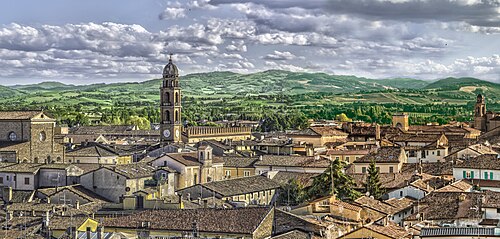
Faenza is a charming city located in the Emilia-Romagna region of northern Italy, renowned for its rich history, artistic heritage, and vibrant culture. Established in the early Roman era, Faenza has evolved over the centuries, emerging from its agricultural roots into a vibrant urban center. The city's name is derived from the Latin "Faventia," referencing its fertile plains. Faenza became particularly famous during the Renaissance period for its exceptional pottery, often referred to as "faience," a term that has come to represent tin-glazed earthenware throughout Europe. This pottery is characterized by its intricate designs and vibrant colors, and the city is still a hub for ceramics today, with numerous workshops and galleries showcasing both traditional techniques and contemporary innovations.
The historical center of Faenza is a delightful blend of medieval and Renaissance architecture, with significant landmarks including the stunning Cathedral of San Pietro in Vinculis, which dates back to the 15th century and features striking frescoes and a beautifully carved wooden altar. The city is also home to the International Museum of Ceramics, one of the most comprehensive collections of ceramics in the world, which attracts art lovers and historians alike. In addition to its artistic significance, Faenza offers a lively cultural scene with numerous festivals, including the Palio del Niballo, a medieval tournament celebrated annually in June, and various events dedicated to art and music throughout the year.
Faenza's strategic location near the Apennine Mountains and the Adriatic coast adds to its appeal, making it an excellent base for exploring the surrounding regions. The nearby towns of Ravenna and Imola, both rich in history, are easily accessible, as are the natural landscapes that offer opportunities for outdoor recreation. The local cuisine is another highlight, showcasing the flavors of Emilia-Romagna, known for its rich culinary traditions, including pasta dishes, cured meats, and fine wines. Overall, Faenza is a city that beautifully encapsulates the essence of Italian culture, blending history, art, and tradition in a picturesque setting.
Facts about Faenza
- Faenza is renowned for its rich tradition of ceramics, particularly maiolica, which dates back to the Renaissance and is distinctively characterized by vibrant colors and intricate designs.
- The city is home to the International Museum of Ceramics, one of the most significant ceramic museums in the world, showcasing over 20,000 items spanning from ancient times to modern works.
- Faenza is often referred to as the 'City of Ceramics', which distinguishes it from other towns in Italy that may not have such a focused and celebrated craft.
- The name 'Faenza' is derived from the Latin 'Faventia', which dates back to the Roman era, making it a city with deep historical roots.
- Faenza is known for the annual 'Festa del Burchio', a traditional event celebrating local history with parades, medieval games, and cultural activities, offering a unique glimpse into the city's past.
- The city's cathedral, the Cattedrale di San Pietro in Vinculis, features a striking Renaissance facade and houses important religious artifacts, setting it apart from similar institutions in Italy.
- Faenza has a notable 15th-century fountain, the 'Fontana delle Tartarughe', which is a symbol of the city and reflects its historical importance in water management.
- The area surrounding Faenza is famous for the production of Sangiovese wine, and the city hosts wine festivals that celebrate its viticulture, differentiating it from many other regions in Italy.
- Faenza is a hub for the 'Ceramic Festival', which attracts artisans and visitors from around the world, fostering a vibrant community centered around the craft of ceramics.
- The city is on the UNESCO Creative Cities list for its craftsmanship in ceramics, emphasizing its international recognition and commitment to preserving this unique cultural heritage.