Falkenberg, Sweden
- 24,099 people
- 12 places to visit
- 56.9027, 12.4888
Places to Visit (12)
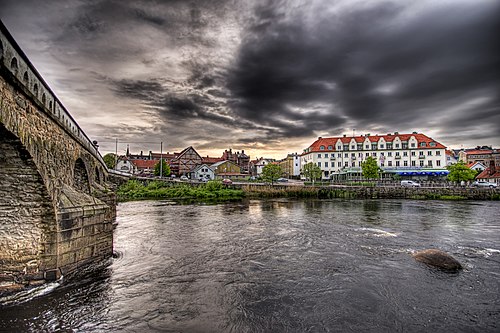
Falkenberg is a picturesque locality and the seat of Falkenberg Municipality in Halland County, Sweden. Situated on the western coast of Sweden, along the Kattegat, it boasts stunning beaches and a rich maritime heritage. Established as a town in the late 14th century, Falkenberg has evolved from a small fishing village into a vibrant urban center. Its strategic location along the river Ätran made it an important trade and transport hub in the region. The town is known for its mix of historical architecture, with notable buildings like the medieval stone church, which dates back to the 13th century, and the remnants of the ancient fortress that reflect its significance in Sweden's history.
Falkenberg's economy has traditionally been based on agriculture and fishing, but over the years, it has diversified and modernized. Today, the town supports various industries, including manufacturing, retail, and services. Tourism plays a crucial role in the local economy, with visitors attracted by its scenic coastline, outdoor recreational activities, and cultural events. The area features several beautiful beaches, such as Skrea Strand, which is popular for swimming, sunbathing, and various water sports. Additionally, Falkenberg is known for its charming town center filled with boutiques, cafes, restaurants, and a vibrant market scene, particularly during the summer months when the population swells with tourists.
Culturally, Falkenberg is home to various festivals and events, showcasing local arts, crafts, and cuisine. The town's commitment to preserving its heritage while embracing modernity is evident in its community initiatives and public spaces. With excellent transport links, including railway connections and proximity to larger cities like Gothenburg, Falkenberg continues to thrive as a sought-after destination for both residents and visitors alike, balancing its rich history with contemporary living.
Facts about Falkenberg
- Falkenberg is known for its picturesque coastline along the Kattegat and is famous for its beautiful beaches, particularly Skrea strand, which attracts visitors in the summer months.
- The city has a rich history dating back to the medieval period and was granted town rights in 1414, making it one of the older towns in Sweden.
- Falkenberg is home to the historic Falkenberg Castle, originally built in the 13th century, which serves as a cultural landmark and tourist attraction.
- The town has a unique boating culture, being one of the 15 locations along the western coast of Sweden where the annual Falkenberg Boat Show is held, showcasing local maritime traditions.
- Falkenberg has an active arts scene, exemplified by the annual 'Falkenberg Art & Culture Festival' which features local artists and promotes cultural activities throughout the summer.
- The town is known for its eco-friendly initiatives and was designated a 'Sustainable City' for its efforts in promoting environmental awareness and renewable energy.
- Falkenberg is notable for having the first purpose-built hotel in Sweden, the Hotel Royal, which opened in 1876 and is still in operation today.
- It has a well-preserved downtown area with quaint shops and cafes, providing a distinct charm compared to larger Swedish cities.
- Falkenberg hosts the annual 'Falkenberg Historical Market', which recreates a medieval market atmosphere with craftsmen, food, and entertainment from the era.
- The local football club, Falkenbergs FF, plays in the Swedish football league system and has a passionate local following, representing the community's strong engagement in sports.