Falkensee, Germany
- 37,468 people
- 52.562, 13.077
No places available for this city.
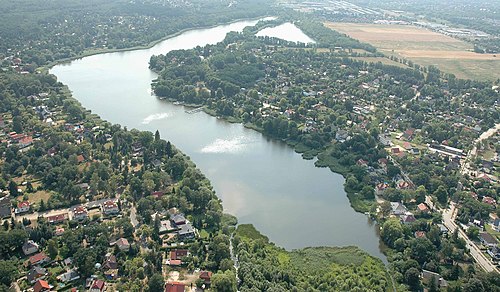
Falkensee is a town situated in the Brandenburg region of Germany, approximately 20 kilometers west of Berlin. It lies within the district of Havelland and has emerged as a desirable residential area due to its proximity to the capital. With a population of roughly 18,000 residents, Falkensee has developed from a small village into a vibrant community, characterized by its blend of suburban charm and access to urban amenities. The town's name, which translates to “Falcon Lake,” is derived from the nearby lakes and natural landscapes that define the area, offering residents a pleasant environment for outdoor activities.
Established in the mid-19th century, Falkensee has a rich history tied to its developments in transportation and industry. The town's growth accelerated following the construction of the Berlin-Stettin railway, which facilitated movement and commerce. Today, Falkensee is well-connected by both road and rail, making it convenient for commuters who travel to Berlin for work. Its local economy encompasses a mix of small businesses, retail, and services, contributing to the community’s self-sufficiency. The town is also home to several educational institutions, parks, and recreational facilities, which cater to families and promote a family-friendly atmosphere. Cultural events and community activities are vibrant parts of life in Falkensee, exemplifying the town's commitment to fostering a close-knit community.
Falkensee is noted for its greenery and appealing residential areas, making it popular among families and individuals seeking a more tranquil lifestyle while remaining close to the hustle and bustle of Berlin. Notable landmarks include the historic St. Nicholas Church and several parks that encourage outdoor gatherings and leisure activities. The town’s architecture reflects a mix of traditional and modern styles, showcasing its evolution over time while retaining a sense of local heritage. As Falkensee continues to develop, it harmoniously blends its historical roots with contemporary living, establishing itself as a thriving town that captures the essence of life in the Berlin metropolitan area.
Facts about Falkensee
- Falkensee is located just west of Berlin and is known as a commuter town, providing easy access to the capital while retaining a small-town atmosphere.
- The city is home to several lakes, including the Falkenhagener See, which offers recreational opportunities such as swimming, sailing, and fishing, distinguishing it from many urban areas in Germany.
- Falkensee features a variety of historical buildings, including the St. Nicholas Church, originally built in the 13th century, reflecting its rich historical architecture.
- The city is part of the Havelland district, which has a significant agricultural background and is known for its picturesque landscapes, while many nearby urban areas have shifted towards industrialization.
- Falkensee has a unique history as it was largely developed after World War II, especially in the 1990s, making it a relatively young town compared to many others in Germany that have older origins.
- The town hosts the annual Falkensee City Festival, which highlights local culture, arts, and community spirit, making it a notable event for residents and visitors.
- It is known for its commitment to sustainability, with various parks and green initiatives that promote an eco-friendly environment in contrast to some industrial cities.
- Falkensee has a diverse population due to its proximity to Berlin, attracting people from various cultural backgrounds, contributing to a vibrant community life.
- The city has several cultural institutions, including libraries and community centers, promoting education and cultural exchange, which are focal points for its residents.
- Falkensee’s public transportation system is well-integrated with Berlin’s transit network, making it an ideal location for those working in the capital but preferring a quieter home environment.