Fălticeni, Romania
- 29,576 people
- 9 places to visit
- 47.4616, 26.3015
Places to Visit (9)
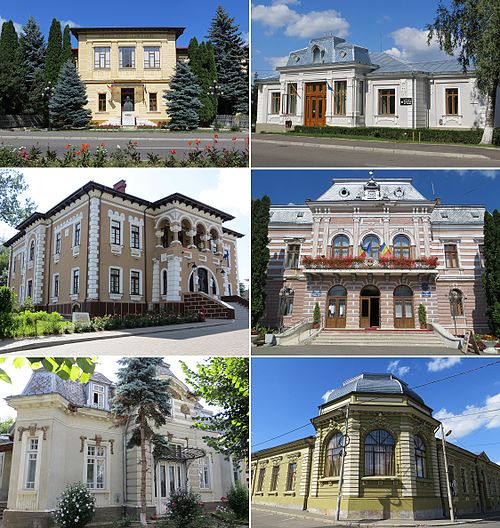
Fălticeni is a city located in Suceava County, Romania, nestled in the historical region of Bukovina. This picturesque settlement lies at the confluence of two rivers, the Moldova and the Suceava, surrounded by the scenic Carpathian Mountains. With a population of approximately 25,000 residents, Fălticeni serves as an important cultural and economic hub in the area. The city has a rich history dating back to the 15th century, when it was first mentioned in historical documents. Its strategic location made it a significant center for commerce and trade, particularly during the 19th century, when Fălticeni evolved into a vibrant urban center attracting merchants and craftsmen.
Fălticeni is known for its distinctive architecture, reflecting a blend of traditional Bukovinian styles and modern influences. Notable landmarks include the 18th-century "Buna Vestire" Church, showcasing intricate woodwork and icon painting that highlight the city's spiritual heritage. The city is also renowned for its cultural contributions, particularly in literature and the arts, being the birthplace of several prominent Romanian writers, including Mihai Eminescu, who is often celebrated as Romania's national poet. Fălticeni hosts various cultural events and festivals that celebrate its historical and artistic legacy, offering a platform for local artists and promoting the rich traditions of the region.
Economically, Fălticeni has diversified over the years, developing industries such as wood processing, textiles, and food production, which are vital for the local economy. The city's proximity to major transportation routes, including the E85 national road and the Suceava Airport, facilitates trade and connectivity, fostering growth and development. Additionally, the surrounding natural landscapes provide opportunities for tourism and outdoor activities, attracting visitors who seek to explore the natural beauty and cultural heritage of Bukovina. With its historical significance, cultural vibrancy, and economic potential, Fălticeni stands out as an important city in Romania's tapestry of communities.
Facts about Fălticeni
- Fălticeni is known as the 'City of Ceramics' due to its rich tradition of pottery and ceramic craftsmanship, which has been a significant part of the local economy and culture.
- The city is home to the 'Nicolae Iorga' Memorial House, dedicated to the famous Romanian historian and politician who was born here, showcasing his life and works.
- Fălticeni is recognized for its annual 'Fălticeni Literary Festival', which celebrates local and national authors, promoting literature and arts within the community.
- The city features a unique 'Cazinoul Fălticeni', a historic casino that reflects the architectural style of the early 20th century and adds to the city's cultural landscape.
- Fălticeni is situated near the beautiful and scenic 'Moldavian Plateau', providing stunning landscapes and outdoor recreational opportunities, distinguishing it from other towns.
- The city is an important center for traditional Romanian folk music and is known for hosting various folk events that celebrate its rich cultural heritage.
- Fălticeni has a significant history of education, being the birthplace of several notable Romanian educational figures, promoting a culture of learning in the region.
- The city is located at the confluence of two rivers, the Şomuzul Mare and Şomuzul Mic, which provide unique natural beauty and ecological diversity not found in many other Romanian cities.
- Fălticeni's central square, 'Piața Republicii', features notable sculptures and monuments, serving as a cultural and social hub for the residents.
- The Fălticeni area is also known for its diverse wildlife and natural parks, making it a distinct destination for nature lovers in Romania.