Falun, Sweden
- 37,000 people
- 11 places to visit
- 60.6065, 15.6355
Places to Visit (11)
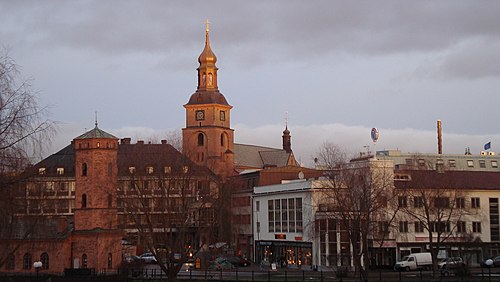
Falun is a historic city located in Dalarna County, Sweden, known for its rich mining heritage and beautiful natural surroundings. Its proximity to the Dalälven River and the expansive forests of Dalarna offers both picturesque vistas and ample outdoor activities. The city serves as the administrative center of the municipality of Falun and has a population of approximately 37,000 residents, making it one of the larger urban centers in the traditionally rural region of central Sweden.
The mining industry has played a significant role in the development and history of Falun. The Falun Copper Mine, established in the 10th century, became a key source of copper for Sweden and much of Europe, particularly during the 17th century. At its peak, the mine was one of the largest copper producers in the world, contributing significantly to Sweden's economy and wealth. Today, the mine is recognized as a UNESCO World Heritage Site, attracting tourists eager to learn about its history and the impact it had on the nation. The deep vertical shaft, expansive tunnels, and the iconic red buildings associated with the mining operations are prominent features of this historical site.
In addition to its mining legacy, Falun offers a vibrant cultural scene. The city is home to several museums, including the Dalarna Museum, which showcases regional art, culture, and the history of the area. The annual Falun International Film Festival and various musical events highlight the city's commitment to the arts. Moreover, Falun is known for its winter sports, particularly ski jumping and cross-country skiing, as it hosts events in the World Cup circuit and has produced numerous Olympic athletes. The natural beauty surrounding the city provides opportunities for hiking, biking, and outdoor recreation throughout the year, making Falun a charming blend of history, culture, and nature.
Facts about Falun
- Falun is home to the historic Falun Mine, which was one of the most important copper mines in the world between the 16th and 19th centuries and is now a UNESCO World Heritage Site.
- The city's name, 'Falun', is derived from the Swedish word for 'valley', indicative of its geographical setting in a deep valley surrounded by hills.
- Falun features the Dalarnas Museum, which celebrates the cultural heritage of the Dalarna region, showcasing traditional crafts, folk art, and historical artifacts.
- Falun is famous for the Dala horse ('Dalahäst'), a traditional wooden toy that originated in this region and is recognized as a symbol of Sweden.
- The city hosts the annual Falu Folkmusikfestival, an event that brings together folk music artists and enthusiasts from around Sweden and beyond.
- Falun has a rich winter sports culture, being a host city for the FIS Nordic World Ski Championships multiple times, with the latest in 2015.
- The Swedish Academy of Fine Arts has a branch in Falun, promoting visual arts and hosting exhibitions that contribute to contemporary Swedish art.
- Falun is known for its unique red-painted wooden houses, which often use a pigment derived from the iron oxide found in the local mine, giving it a characteristic color.
- The city has deep roots in the Swedish education system, being the founding place of the first public school in Sweden, established in 1667.
- Falun is home to the largest lake in Dalarna, Lake Runn, which offers recreational activities such as boating, fishing, and swimming during the summer months.