Famagusta, Cyprus
- 42,526 people
- 13 places to visit
- 35.1208, 33.9382
Places to Visit (13)
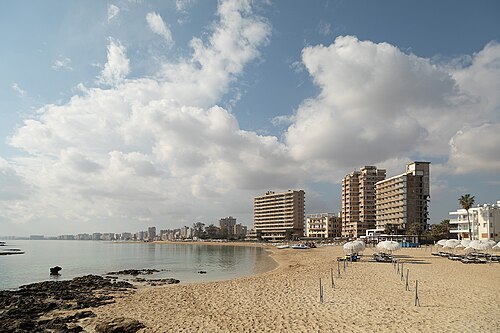
Famagusta is a significant city located on the eastern coast of Cyprus, renowned for its rich history and strategic importance. Originally founded in the late 11th century AD as a trading post, it flourished during the medieval period, particularly under the control of the Lusignan Kingdom and later the Venetians. The city is well known for its impressive medieval architecture, which includes the iconic Othello's Tower, originally built by the Lusignans, and the stunning Gothic architecture of the St. Nicholas Cathedral, which exemplifies the blend of cultural influences that characterize Famagusta. The city’s location along major trade routes contributed to its economic prosperity, making it a vibrant hub for commerce, culture, and education in the region.
In the 16th century, Famagusta came under Ottoman rule, which further influenced its development and architecture. The city continued to prosper until the mid-20th century when political tensions escalated between the Greek and Turkish Cypriot communities. The Turkish invasion in 1974, prompted by a coup aimed at annexing Cyprus to Greece, led to significant changes in the demographic makeup of the city. Famagusta became a ghost town following the conflict, as the majority of its Greek Cypriot population fled. Today, the city is a focal point for discussions regarding the reunification of Cyprus, with its abandoned structures and the occupied Varosha section serving as poignant reminders of the division that still exists on the island. Despite its tumultuous past, Famagusta remains a city of historical significance and cultural richness, attracting interest for its archaeological sites, beautiful beaches, and complex heritage.
Facts about Famagusta
- Famagusta is home to the ancient city of Salamis, which was one of the most important cities in Cyprus during the Hellenistic and Roman periods.
- The city features the impressive Lala Mustafa Pasha Mosque, originally built as St. Nicholas Cathedral in the Gothic style, showcasing a mix of architectural influences.
- Famagusta is known for its well-preserved medieval walls, which were built by the Venetians and are among the most complete fortifications in Cyprus.
- The city has a significant history of being a major trade port during the Middle Ages, contributing to its economic prosperity.
- Varosha, a suburb of Famagusta, was once a flourishing tourist destination until it was abandoned in 1974 after the Turkish invasion, and it remains a ghost town to this day.
- Famagusta's beaches, particularly the Golden Beach, are renowned for their beautiful white sand and crystal-clear waters.
- The Othello Castle in Famagusta is linked to Shakespeare's tragedy 'Othello' and is known for its historical and cultural significance.
- Famagusta was once a cultural hub, with a diverse population that included Greeks, Turks, Armenians, and Maronites, leading to a rich blend of customs and traditions.
- The city hosts several annual festivals, including the Famagusta Cultural Festival, which showcases local arts, music, and cuisine.
- Famagusta has a unique status as a divided city, with cultural and political tensions reflecting the broader context of Cyprus's division since 1974.