Faro, Portugal
- 41,355 people
- 14 places to visit
- 37.0165, -7.9352
Places to Visit (14)
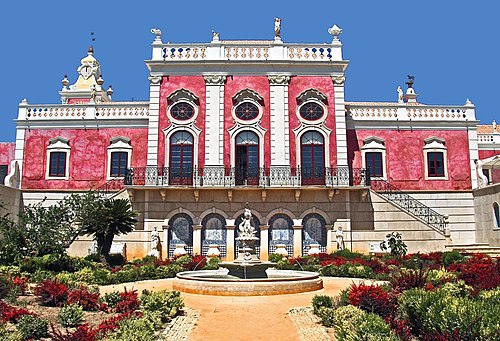
Faro, the capital of the Algarve region in southern Portugal, is a city rich in history and natural beauty. Situated on the country's southern coast, Faro is known for its picturesque landscapes, charming old town, and vibrant cultural scene. The city was originally established by the Romans, who named it Ossonoba, and remnants of this ancient civilization can still be found today. Notable historical sites include the Arco da Vila, a monumental arch that serves as a gateway to the old town, and the Sé de Faro, a stunning 13th-century cathedral that showcases a mix of Gothic, Renaissance, and Baroque architectural styles. The old town, surrounded by well-preserved city walls, features cobblestone streets, traditional whitewashed buildings, and lively squares that are perfect for exploring on foot.
Faro is also renowned for its stunning natural surroundings, particularly the Ria Formosa Natural Park, a protected wetland teeming with wildlife and diverse ecosystems. This park consists of a series of lagoons, marshes, and barrier islands, making it a haven for birdwatchers and nature enthusiasts. Visitors can take boat tours to explore its serene waters and discover local flora and fauna, including migratory birds like flamingos and herons. The city also has beautiful beaches, such as Praia de Faro, which is easily accessible and offers a range of water sports and leisure activities. Faro serves as a gateway to various nearby attractions, including the picturesque towns of Lagos and Albufeira. With its blend of history, culture, and natural beauty, Faro is an inviting destination that attracts tourists seeking both relaxation and exploration.
Facts about Faro
- Faro is the capital of the Algarve region, making it a central hub for both administrative and tourism activities in southern Portugal.
- The city is home to the well-preserved Roman ruins of Milreu, showcasing ancient Roman architecture and mosaics, which distinguishes it from other cities in Portugal.
- Faro features a unique Arco da Vila, a monumental arch that served as one of the main gateways to the city in the 19th century and offers a blend of neoclassical and Moorish styles.
- Faro has a picturesque old town surrounded by 19th-century walls, providing a charming historical atmosphere that is different from the more urbanized areas in other Portuguese cities.
- The Ria Formosa Natural Park, located near Faro, is a stunning coastal lagoon and a UNESCO Biosphere Reserve known for its biodiversity, making it a popular destination for nature lovers.
- Faro hosts the annual Festival do Mar, celebrating local seafood and culture, highlighting its coastal identity and culinary heritage.
- The Igreja do Carmo in Faro houses the Capela dos Ossos (Chapel of Bones), featuring a macabre yet fascinating interior that draws visitors due to its unique artistic style.
- Faro's airport is the main gateway to the Algarve region, making it the most important entry point for tourists visiting southern Portugal, which is not the case for many other cities.
- The city was historically a trading port, which has contributed to its cultural diversity and economic importance compared to other towns in the Algarve.
- Faro's vibrant marina and waterfront promenade enhance its recreational offerings, providing locals and tourists opportunities for leisure and dining not commonly found in other Portuguese cities.