Fécamp, France
- 22,003 people
- 10 places to visit
- 49.7556, 0.3808
Places to Visit (10)
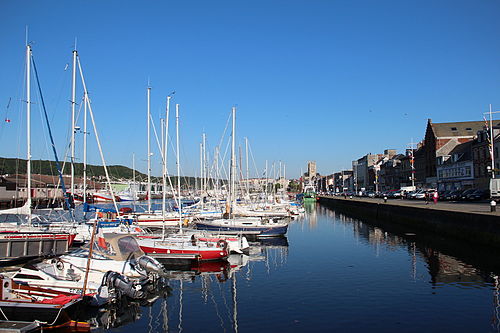
Fécamp is a picturesque coastal town located in the Normandy region of northern France, situated along the shores of the English Channel in the Seine-Maritime department. With a population of approximately 15,000 residents, Fécamp boasts a rich maritime heritage and has been a significant fishing and shipping port for centuries. The town's history dates back to the Roman era, and it has since been shaped by its importance as a harbor and by the influence of various historical events. Fécamp's economy traditionally revolved around fishing, particularly cod and herring, which remain central to its local culture.
One of the town's most notable landmarks is the Benedictine Palace, a stunning example of 19th-century architecture built to house the Benedictine liqueur distillery. The liqueur, made from a secret blend of herbs and spices, has become synonymous with Fécamp and is a popular product both locally and abroad. The palace itself is a tourist attraction, drawing visitors for its architectural beauty and historical significance. Another remarkable feature of Fécamp is its scenic cliffs, which are part of the Normandy coastline and offer breathtaking views. The nearby Alabaster Coast, stretching from Dieppe to Le Havre, is famous for its chalk cliffs and has been a source of inspiration for many artists, including the Impressionists.
Culturally, Fécamp is vibrant, with local festivals celebrating its maritime history, culinary traditions, and artistic heritage. The town's fishing port remains active, with a fresh seafood market that is a hub of local life. Outdoor activities are abundant in the surrounding area, attracting nature enthusiasts for hiking, cycling, and exploring the coastal landscape. Additionally, Fécamp's beaches and maritime climate make it a popular destination for summer tourism, further enhancing its identity as a charming town where history, culture, and natural beauty converge. Visitors can enjoy the local gastronomy, including seafood dishes, while immersing themselves in the town's historical offerings, making Fécamp a unique destination in the heart of Normandy.
Facts about Fécamp
- Fécamp is renowned for its Abbey Church of Saint-Trinity, a stunning example of Norman architecture dating back to the 13th century, which served as a Benedictine abbey.
- The city has a long-standing history in the production of Benedictine liqueur, which was first created in Fécamp in the 19th century and is still made today.
- Fécamp is home to the famous cliffs of Etretat, just a short distance away, which are recognized for their dramatic natural arches and stunning coastal views.
- The town was a significant fishing port in the Middle Ages, known for its cod fishing and shipbuilding, contributing to its maritime heritage.
- Fécamp celebrates its maritime history with the 'Festival of the Sea,' an annual event highlighting the importance of the sea to the local culture and economy.
- The city's historic harbor features colorful fishing and pleasure boats, making it a picturesque site that attracts both tourists and artists alike.
- Fécamp is one of the locations associated with the legend of 'Our Lady of the Sea,' which emphasizes the town's deep-rooted maritime traditions and spirituality.
- The town's Museum of Fécamp showcases an impressive collection of artwork and artifacts, including works by local artists and items relevant to its maritime history.
- Fécamp has a unique blend of architectural styles, with half-timbered houses and traditional stone buildings reflecting its evolution over the centuries.
- The area around Fécamp is part of the Normandy region that played a crucial role in World War II, with historical sites and memorials commemorating the events of the war.