Fergana, Uzbekistan
- 299,200 people
- 2 places to visit
- 40.3734, 71.7978
Places to Visit (2)
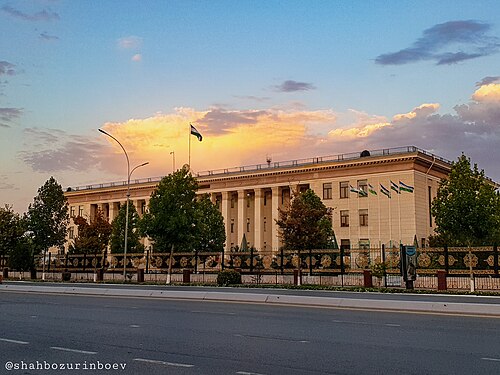
Fergana is a vibrant city located in the Fergana Valley in eastern Uzbekistan, serving as the administrative center of the Fergana Region. Established in the early 19th century, Fergana has become an important cultural and economic hub in Central Asia. The city lies at an elevation of about 400 meters above sea level and is surrounded by picturesque mountains, enhancing its scenic beauty. With a population of over 300,000 residents, it is known for its diverse ethnic composition, including Uzbeks, Russians, Tajiks, and others, contributing to a rich tapestry of cultural traditions and languages.
Economically, Fergana plays a crucial role in Uzbekistan’s agricultural landscape, benefiting from its fertile soil and favorable climate. The region is particularly renowned for producing cotton, fruits, and vegetables, which form the backbone of its economy. Additionally, Fergana is recognized for its manufacturing sector, with industries focused on textiles and food processing. The city also boasts several educational institutions, cultural centers, and historical sites, making it a vital center for learning and cultural exchange. The Fergana Valley itself has been an important crossroads throughout history, with trade routes connecting Central Asia to the Middle East and beyond, further establishing Fergana as a significant location in the region's socio-economic framework.
Fergana is celebrated for its historical landmarks, including mosques and Islamic architecture, which reflect the rich heritage of the city. Notable sites include the Juma Mosque, characterized by its intricate woodwork and stunning design, and the Fergana Museum of Local Lore, which offers insights into the region's history and culture. The city's blend of modernity and tradition is evident in its urban landscape, where new developments coexist with historical structures, making it an intriguing destination for visitors. As Uzbekistan continues to develop, Fergana stands as a symbol of the country’s cultural richness and economic potential, highlighting the importance of preserving its heritage while embracing modernization.
Facts about Fergana
- Fergana is known for its rich agricultural landscape, particularly famous for producing high-quality cotton, fruits, and silk, which differentiates it from many other cities in Uzbekistan.
- The Fergana Valley is home to several ethnic groups, including Uzbeks, Tajiks, and Kyrgyz, fostering a unique multicultural atmosphere that sets it apart from other regions in the country.
- Fergana hosts the historical site of the ancient city of Margilan, which is renowned for its traditional silk production and ancient textile crafts, making it a significant cultural landmark.
- The city is home to the renowned Fergana Valley, often referred to as the 'Garden of Uzbekistan' due to its lush greenery and fertile soil, distinguishing it from the more arid regions of the country.
- Fergana has a rich history as a commercial hub along the Silk Road, facilitating trade between the East and West, which played a crucial role in its development and cultural exchange.
- In Fergana, you can find unique architectural styles blending traditional Uzbek designs with Russian influences, reflecting its diverse history and cultural interactions.
- The Fergana International Airport is one of the key airports in Uzbekistan, providing vital connectivity for the region, unlike many smaller towns that lack such transportation hubs.
- Fergana is known for its vibrant bazaars, such as the Fergana Bazaar, which are centers of local trade and cultural interaction, showcasing a variety of local produce and crafts.
- The city is a center for local arts, particularly pottery and ceramics, with workshops and artisans dedicated to maintaining traditional techniques that date back centuries.
- Fergana is famous for its role in the cotton industry, with extensive cotton farms and processing plants, making it a pivotal area for Uzbekistan's economy focused on textile production.