Fes, Morocco
- 1,191,905 people
- 16 places to visit
- 34.0181, -5.0078
Places to Visit (16)
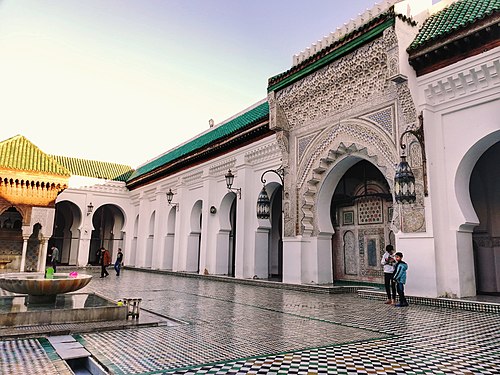
Fes, one of Morocco's most significant cities, is renowned for its historical and cultural heritage. Founded in the 8th century by Idris I, Fes has served as a center of knowledge and spirituality for centuries, often regarded as the country's intellectual hub. The city's landscape is defined by its two primary districts: Fes el-Bali, the ancient medina, and Fes el-Jdid, which was established in the 13th century. Fes el-Bali is a UNESCO World Heritage site, characterized by its narrow winding streets, vibrant souks, and stunning architecture. Key highlights include the Al Quaraouiyine University, recognized by UNESCO as the world's oldest existing degree-granting university, and the Bou Inania Madrasa, an architectural marvel that showcases intricate tilework and wood carvings.
The city's economy is primarily driven by traditional crafts, education, and tourism. Fes is also known for its production of leather goods, particularly the famous Fes tanneries, where raw animal skins are transformed into high-quality leather using ancient techniques. Visitors can witness the traditional dyeing process in the Chouara Tannery, which remains a popular tourist attraction. Additionally, Fes hosts several cultural events, including the Fes Festival of World Sacred Music, which celebrates a diversity of spiritual musical traditions from around the globe. With its rich tapestry of history, culture, and artistry, Fes continues to attract scholars, artisans, and travelers, making it a vibrant city that encapsulates the essence of Morocco's heritage.
Facts about Fes
- Fes is known for being home to one of the oldest universities in the world, the University of Al Quaraouiyine, founded in 859 AD.
- The city features the largest car-free urban area in the world, with its medina (old town) being a UNESCO World Heritage site filled with narrow alleyways and traditional markets.
- Fes is famous for its traditional tanneries, particularly the Chouara Tannery, which has been in operation for centuries and is known for its vibrant dyeing process.
- The city's architecture showcases a blend of Islamic, Andalusian, and French colonial styles, making it distinct from other Moroccan cities.
- Fes is renowned for its rich artisan culture, including pottery, zellij (mosaic tile work), and leather goods, which are highly sought after.
- The annual Fes Festival of World Sacred Music attracts artists and audiences from around the globe, celebrating cultural diversity and interfaith dialogue.
- Fes has a unique culinary scene, featuring traditional dishes such as b'stilla (a savory pie) and pastilla made with pigeon, which is less common in other Moroccan cities.
- The city is divided into two main areas: Fes el-Bali, the ancient walled medina, and Fes el-Jdid, which houses the Royal Palace and more modern developments.
- Fes is known as the spiritual and cultural capital of Morocco, with numerous mosques, schools, and palaces that reflect its historical significance.
- The city hosts numerous historical institutions, including the Bou Inania Madrasa and the Al-Attarine Madrasa, showcasing remarkable Islamic architecture.