Figueres, Spain
- 43,330 people
- 14 places to visit
- 42.2655, 2.9579
Places to Visit (14)
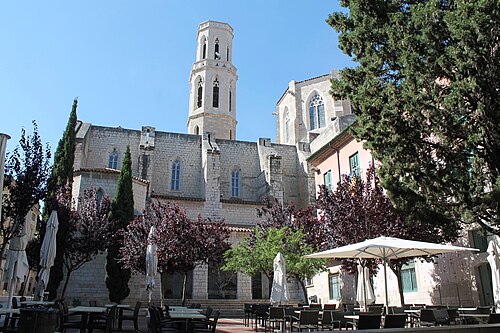
Figueres is a municipality located in the northeastern part of Spain, in the province of Girona, Catalonia. It is known primarily as the birthplace of the renowned surrealist painter Salvador Dalí, who was born there in 1904. The city boasts a rich historical heritage, with roots tracing back to ancient times, including its early settlement by the Iberians and the Romans. Figueres served as an important commercial and administrative center throughout history, particularly during the Middle Ages, when it became a vital hub for trade routes between the Iberian Peninsula and France.
One of Figueres' main attractions is the Teatre-Museu Dalí, which was designed by the artist himself and houses the largest collection of his works. Opened in 1974, the museum is a surrealist masterpiece in its own right, featuring a unique architectural style adorned with striking colors and unusual designs, such as the prominent eggs that crown its facade. The collection includes paintings, sculptures, and a variety of other artworks, showcasing the evolution of Dalí’s innovative and often provocative style. Beyond the museum, Figueres offers visitors various parks, plazas, and historical sites, including the medieval Castle of Sant Ferran, which is one of the largest fortifications in Europe.
Figueres is well-connected by road and rail, making it easily accessible from major cities like Barcelona and Girona. The city's strategic location near the French border has helped it retain a multicultural atmosphere while still embracing its Catalan identity. The vibrant local culture is characterized by traditional festivals, delicious Catalan cuisine, and a lively arts scene, making Figueres an appealing destination for tourists and art enthusiasts alike. The blend of history, art, and picturesque landscapes contributes to Figueres' charm, providing a unique glimpse into both the past and the artistic legacy of one of Spain’s most influential figures.
Facts about Figueres
- Figueres is home to the Dalí Theatre-Museum, which is the largest surrealist object in the world and dedicated to the works of artist Salvador Dalí, who was born nearby.
- The city played a significant role in the Catalan independence movement during the 1930s and 1940s, making it a historical center for political activism.
- Figueres hosts the annual 'Festival Internacional de Jazz de Figueres', attracting jazz enthusiasts from around the globe with a high-profile lineup of artists.
- The remnants of the medieval Castle of Sant Ferran, one of the largest fortresses in Europe, dominate the landscape and provide insight into the city's strategic importance during the 18th century.
- Figueres features the unique 'La Rambla', a vibrant street that acts as a cultural hub, lined with shops, cafes, and beautiful architecture distinct to this area of Catalonia.
- The city is known for its traditional 'Figueres' pastries, particularly the 'canelons', which are a staple of Catalan cuisine, especially enjoyed during the winter months.
- Figueres is located close to the Aiguamolls de l'Empordà Natural Park, one of the most important wetlands in Catalonia, making it a prime location for birdwatching and ecological tourism.
- The annual 'Fires de Sant Ferran' festival celebrates the city's patron saint with parades, fireworks, and cultural events, deeply rooted in local traditions.
- The city's unique architectural blend includes Neo-Gothic, Modernista, and contemporary styles, most notably seen in the playful designs of the Dalí Theatre-Museum.
- Figueres has a vibrant arts scene beyond Dalí, with several galleries and cultural initiatives supporting local artists and promoting contemporary art.