Fīrozābād, India
- 306,409 people
- 5 places to visit
- 27.1592, 78.3957
Places to Visit (5)
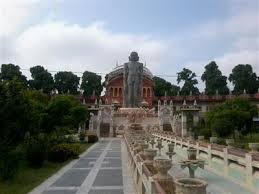
Fīrozābād is a city located in the northern Indian state of Uttar Pradesh, known primarily for its glass industry and rich cultural heritage. Situated approximately 40 kilometers from the state capital, Lucknow, it is part of the Firozabad district, which was established in 1989. Fīrozābād has a significant population, with estimates often exceeding 300,000 residents. The city is well-connected by road and rail, making it accessible for both trade and tourism. The local economy is largely driven by the production of glassware, including bangles, which has earned Fīrozābād the nickname "Bangle City." The intricate designs and craftsmanship of these glass products attract both domestic and international buyers, contributing to the city's economic growth.
The history of Fīrozābād is steeped in tradition and architecture, with landmarks that reflect its past. It is believed to have been founded in the 14th century by Firoz Shah Tughlaq, the Sultan of Delhi, which is how the city got its name. Over the centuries, Fīrozābād has seen the influence of various cultures, leading to a unique blend of traditions. The city is also home to several historical sites, including the beautiful, old mosques and the remnants of the Tughlaq-era fort. Festivals such as Diwali and Eid are celebrated with great fervor, bringing together the diverse communities that inhabit the city. Additionally, Fīrozābād's thriving markets and bazaars are vibrant hubs filled with colorful stalls that offer a range of products, from intricate glass items to traditional clothing and local delicacies.
Education and healthcare facilities in Fīrozābād have seen improvements over the years, with numerous schools, colleges, and medical institutions established to cater to the growing population. The city also benefits from initiatives aimed at promoting skill development in the handicrafts sector, particularly in glasswork, ensuring that traditional arts are preserved while providing employment opportunities for the youth. As it continues to develop, Fīrozābād remains a significant player in the regional economy and a focal point for cultural exchange in Uttar Pradesh, highlighting its importance in India's tapestry of history and commerce.
Facts about Fīrozābād
- Fīrozābād is renowned as the 'Glass City of India' due to its significant glass-making industry, specializing in glassware and bangles.
- The city is historically significant for its connection to the Mughal Empire, particularly as a site where Emperor Akbar established a glass factory.
- Fīrozābād is home to the historic Fīrozābād Fort, built in 1566, which reflects the city's rich architectural heritage.
- The city is famous for its intricate glass bangles, often adorned with vibrant colors and intricate designs, making it a popular destination for both domestic and international buyers.
- Fīrozābād hosts an annual Bangle Festival, celebrating local artisans and the traditional crafts associated with bangle-making.
- The city has a unique urban layout, characterized by narrow winding streets that reflect its historical development over centuries.
- Fīrozābād is also known for its religious diversity, with significant populations of Hindus, Muslims, and Jains coexisting and contributing to the city's rich cultural tapestry.
- The city played a crucial role during the First War of Indian Independence in 1857, with local leaders participating in the revolt against British rule.
- Fīrozābād's local cuisine features unique dishes influenced by Mughal and Awadhi cooking styles, with a focus on sweet treats like 'petha' and traditional savory snacks.
- The city is strategically located near Agra, making it a popular stop for tourists traveling to the Taj Mahal and other nearby attractions.