Flémalle-Haute, Belgium
- 25,144 people
- 5 places to visit
- 50.6002, 5.446
Places to Visit (5)
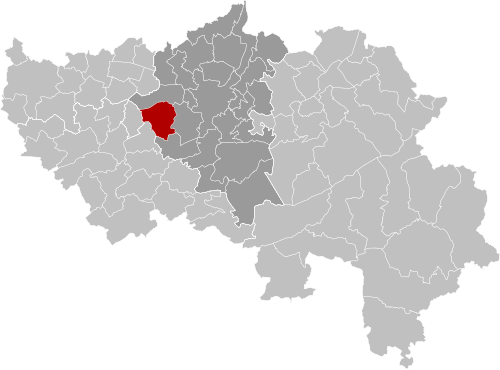
Flémalle-Haute is a suburb of the municipality of Flémalle, located in the province of Liège in Belgium. Situated along the banks of the Meuse River, it is part of a region known for its industrial heritage and picturesque landscapes. The area has a rich history dating back to the Middle Ages, influenced by its location at the crossroads of transportation routes. Flémalle-Haute was primarily an agricultural area until the late 19th century when industrialization began to shape the local economy. The influx of coal mining and manufacturing industries attracted a growing population and contributed to the development of the community.
The architectural landscape of Flémalle-Haute reflects its historical significance, featuring a mix of traditional and modern buildings. Key landmarks include the Church of Saint George, which showcases Gothic architecture and serves as a central place of worship for locals. The town also maintains several parks and green spaces, providing residents with opportunities for outdoor activities and leisure. As part of the larger Flémalle municipality, Flémalle-Haute is well-connected to Liège and other nearby cities through a robust transportation network, including roadways and public transit. In recent years, the community has worked towards balancing industrial activities with sustainable development, promoting residential growth while preserving its historical character and natural environment.
Flémalle-Haute is an area undergoing transformation as it adapts to modern challenges, including economic shifts and environmental concerns. It has embraced tourism, emphasizing its historical sites and natural beauty to attract visitors. The local economy, although still influenced by its industrial roots, is diversifying with an increasing focus on services and technology. Cultural events and community initiatives play a significant role in fostering a sense of identity among residents and keeping the town vibrant. As Flémalle-Haute continues to evolve, it maintains a unique blend of historical charm and contemporary living, making it an appealing place for both residents and visitors in Belgium.
Facts about Flémalle-Haute
- Flémalle-Haute is part of the municipality of Flémalle, which is located in the Walloon region of Belgium, known for its rich industrial heritage.
- The city is situated alongside the Meuse River, which has historically played a significant role in its development and trade.
- Flémalle-Haute is home to the impressive 'Château de Flémalle,' a historical castle that features beautiful architecture and gardens.
- The town is known for its ferroalloy production, highlighting its industrial roots and significance in the Belgian economy.
- Flémalle-Haute hosts the annual 'Fête de la Saint-Jean,' a vibrant local festival that celebrates the community's traditions and culture.
- The area features several natural parks and green spaces, providing a contrast to its industrial background and promoting outdoor activities.
- Flémalle-Haute has a strong artistic community, with local artists contributing to the cultural landscape through various exhibitions and installations.
- The city is strategically located near Liège, making it an important hub for transportation and industrial activities in the region.
- Flémalle-Haute has several historical churches, including the Church of Saint Peter, which showcases stunning Gothic architecture.
- The city supports sustainable initiatives, contributing to a growing movement towards eco-friendly practices in urban development.