Flensburg, Germany
- 85,838 people
- 16 places to visit
- 54.7937, 9.447
Places to Visit (16)
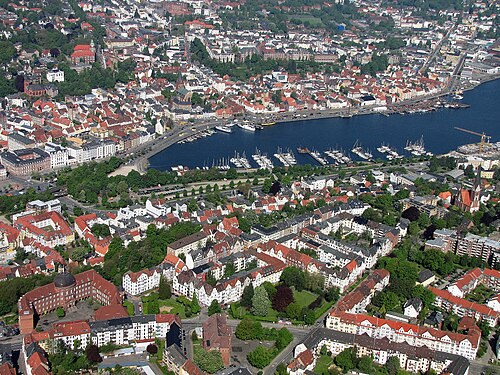
Flensburg is a vibrant city located in the northernmost part of Germany, near the border with Denmark. With a population of approximately 90,000 residents, it serves as the third-largest city in the state of Schleswig-Holstein. Founded in the 13th century, Flensburg has a rich maritime history that reflects its significance as a trading hub. Traditionally associated with shipbuilding and trade, the city’s economy has diversified over the years, now incorporating sectors such as education, technology, and tourism. Flensburg’s port remains vital, linking the city to various routes in the Baltic Sea and beyond.
The urban landscape of Flensburg is characterized by well-preserved historical architecture, charming streets, and a picturesque waterfront that draws both locals and visitors alike. Notable landmarks include the Flensburg Maritime Museum, which showcases the city’s seafaring heritage, and the St. Nicholas Church, a stunning example of Gothic architecture. Additionally, the city is known for its scenic parks and nature reserves, offering abundant opportunities for outdoor activities. Flensburg is home to a diverse cultural scene, hosting various festivals, exhibitions, and concerts throughout the year. The city has a unique blend of German and Danish influences, evident in its bilingual signage and the presence of Danish culture, making it a fascinating destination for those interested in exploring the intersection of both cultures.
Education plays a significant role in Flensburg, with the city hosting several academic institutions, including the University of Flensburg, which specializes in educational sciences, international management, and renewable energy. This focus on education contributes to a youthful and vibrant atmosphere. The city also boasts a well-developed public transport network, making it easy to navigate and connect to nearby areas. Flensburg's strategic location enhances its appeal as a regional center, allowing for easy access to neighboring Danish cities like Sønderborg and Aabenraa. Overall, Flensburg combines historical charm with modern amenities, making it a desirable place to live, work, and visit, while its unique geographic and cultural position enriches the experience for all who come to explore its shores.
Facts about Flensburg
- Flensburg is known for its unique position as the northernmost city in Germany, located close to the Danish border.
- The city has a rich maritime history, illustrated by its well-preserved harbor and numerous historic ships.
- Flensburg is famous for its 'Danish minority', which maintains its own schools, cultural institutions, and festivals, reflecting the city's mixed German-Danish heritage.
- Flensburg's Old Town retains many historical buildings from the 18th and 19th centuries, including the beautiful St. Nicholas Church and the Flensburg City Hall.
- The city is home to the Flensburger Brauerei, which produces the famous Flensburger Pilsener, well-known throughout Germany.
- Flensburg played an important role in the Danish-German Wars of the 19th century, significantly influencing its historical and cultural development.
- The Flensburg Fjord provides unique natural beauty and opportunities for outdoor activities, distinguishing it from inland cities.
- Flensburg hosts an annual sailing regatta known as the 'Flensburg Fjord Regatta,' which attracts sailing enthusiasts from both Germany and Denmark.
- The city has a notable connection to the 'Flensburg Agreements,' which were signed in 1945 to establish a peaceful transition after World War II.
- Flensburg's vibrant cultural scene includes various museums, theaters, and festivals, such as the Flensburg Film Festival, showcasing independent cinema.