Floridsdorf, Austria
- 162,779 people
- 12 places to visit
- 48.2765, 16.4087
Places to Visit (12)
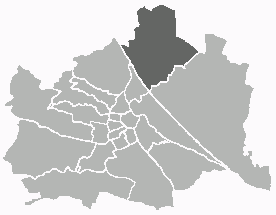
Floridsdorf is the 21st district of Vienna, Austria, situated in the northern part of the capital city. It lies along the banks of the Danube River, which has historically played a significant role in its development and urban landscape. Floridsdorf was established as a district in 1904, though its roots date back to the days of the Roman Empire, with several archaeological finds revealing a long history of settlement in the area. As a more suburban district, Floridsdorf offers a blend of residential, commercial, and recreational spaces, making it an attractive place for families and individuals seeking a quieter lifestyle while remaining connected to Vienna's urban amenities.
The district is well-connected to the rest of the city through public transport, including several tram and bus lines, as well as the U6 subway line, which allows for quick access to central Vienna. Floridsdorf encompasses various neighborhoods, each with its charm and character. The district is also home to numerous parks, green spaces, and bicycle paths, catering to outdoor enthusiasts and providing a balance to the urban environment. Local attractions include the iconic Floridsdorfer Brücke, a bridge that spans the Danube, and the colorful local markets that showcase the district's vibrant community. Overall, Floridsdorf exemplifies a harmonious integration of city living and natural landscapes, contributing to Vienna’s diverse urban tapestry.
Facts about Floridsdorf
- Floridsdorf is the 21st district of Vienna and was officially incorporated into the city in 1892, making it one of the peripheral districts of the capital.
- The district is characterized by its blend of urban and rural areas, offering a unique combination of city life and access to nature, including the nearby Danube Island.
- Floridsdorf is home to the historic Floridsdorf Bridge, which connects the district with the neighboring areas across the Danube River, providing vital transport links.
- The district's history dates back to Roman times, with archaeological findings suggesting the presence of a Roman settlement in the area.
- Floridsdorf is known for its large residential complexes and modern architecture juxtaposed with traditional Viennese buildings, reflecting the district's development over the years.
- The district hosts several cultural events, including local festivals and markets that celebrate Viennese culture, enhancing community engagement.
- Floridsdorf features the picturesque Lobe Block, famous for its striking modern architecture and vibrant community-oriented design.
- The district is recognized for its educational institutions, including various primary and secondary schools, contributing to a family-friendly environment.
- Floridsdorf has a significant industrial history, formerly being a hub for manufacturing and now transitioning towards a more service-oriented economy.
- Public transportation in Floridsdorf is well-developed, with easy access to Vienna's subway and bus systems, distinguishing it as a convenient residential area.