Focșani, Romania
- 77,313 people
- 12 places to visit
- 45.6965, 27.184
Places to Visit (12)
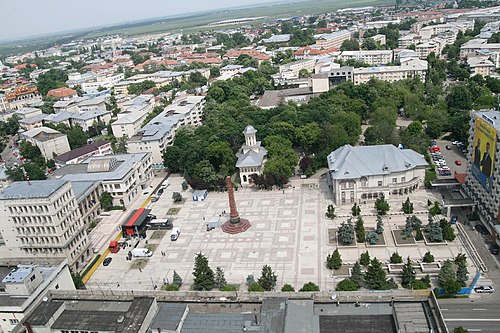
Focșani is a city located in the southeastern region of Romania, serving as the capital of Vrancea County. Nestled at the confluence of the Milcov and Putna rivers, the city is notable for its strategic geographical position, which has historically made it a significant site for trade and military activities. Established in the early Middle Ages, Focșani's history is marked by its involvement in important historical events, including the unification of the principalities of Moldavia and Wallachia in the 19th century. The city gained prominence as a commercial center in the 18th and 19th centuries, benefiting from its location along pivotal trade routes.
The cityscape of Focșani is characterized by a blend of historical and modern architecture. Key landmarks include the Focșani Town Hall, built in the neoclassical style, and the impressive "Dacian Dragos" Memorial Park, which commemorates the city’s historical significance. Additionally, the local economy thrives on agriculture, food processing, and textiles, leveraging the fertile plains of Vrancea County. The region is also known for its vineyards and wine production, contributing to Romania's reputation as a significant wine-producing country. Cultural life in Focșani is vibrant, with various events, festivals, and institutions dedicated to preserving local traditions and promoting the arts.
Focșani is also recognized for its educational institutions and healthcare facilities, which serve the surrounding rural areas and contribute to the city’s development. The city has a population of approximately 40,000 residents, and its community is known for its hospitality and cultural richness. Modern transportation infrastructure connects Focșani to other major cities in Romania, facilitating commerce and travel. As a hub of history, culture, and economic activity in southeastern Romania, Focșani continues to evolve while maintaining its unique identity and significance within the region.
Facts about Focșani
- Focșani is known as the 'City of the Great Union' due to its historical significance in the unification of Romania, particularly during the events leading up to the union of Moldavia and Wallachia in 1859.
- The city hosts the Focșani Wine Festival, celebrating its rich viticulture, as it is located in one of Romania's premier wine-producing regions.
- Focșani is home to the oldest functioning public library in Romania, the 'Ion Basgan' Library, which houses a unique collection of historical texts and documents.
- The architectural style in Focșani features a blend of neoclassical, baroque, and modern influences, with notable buildings like the Focșani Cathedral, which showcases neo-Gothic elements.
- Focșani played a crucial role during World War I, serving as a strategic military hub, and several historic battles occurred in the vicinity.
- The city is located at the confluence of the Milcov and Putna rivers, adding to its geographical significance and natural beauty.
- Focșani has a vibrant cultural scene, hosting various events such as theatrical performances and music festivals, contributing to its reputation as a cultural hub in Romania.
- It has a rich folklore tradition, including local crafts and music, which are showcased during the annual Focșani Folklore Festival.
- Focșani is situated near the infamous 'Prăjituri' (Fried Cakes) market, where locals and visitors can enjoy a variety of unique Romanian pastries exclusively found in this area.
- The Focșani Chamber of Commerce and Industry is recognized for promoting economic development in the region, particularly in agriculture and trade sectors.