Foggia, Italy
- 137,032 people
- 11 places to visit
- 41.4623, 15.5447
Places to Visit (11)
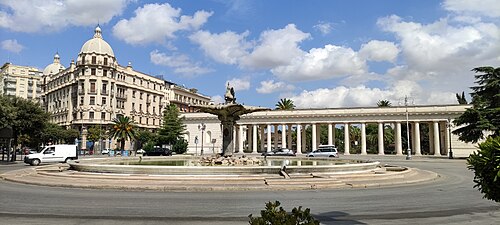
Foggia is a city located in the Puglia region of southern Italy, serving as the capital of the Province of Foggia. With a population of around 150,000 residents, it is an important agricultural and industrial hub. Positioned in the Tavoliere delle Puglie, one of the largest plains in Italy, Foggia is known for its fertile land, which supports extensive agriculture, particularly in the cultivation of cereals, olives, and vegetables. The region's agricultural output has earned Foggia the nickname "the granary of Italy.” Additionally, the city has a strategic location with its proximity to the Adriatic Sea, facilitating commerce and trade.
Historically, Foggia has a rich cultural heritage that reflects its diverse past. The city was founded by the Romans and later became a significant center during the Middle Ages, particularly under the rule of the Normans. It features several historical sites, such as the Cathedral of Foggia, which was constructed in the 13th century and showcases a beautiful blend of architectural styles. The city also boasts the Church of Saint Thomas, known for its Baroque architecture, and the Palace of the Monte di Pietà, a notable example of Renaissance building. Foggia has undergone various transformations over the centuries, especially after the destruction inflicted during World War II, leading to extensive reconstruction and modernization.
Today, Foggia combines its historical significance with emerging urban development. The city is known for its vibrant culture, evident in its numerous festivals, local cuisine, and artistic heritage. Notably, the Foggia International Festival, which celebrates music and arts, attracts visitors from various regions. Economically, Foggia has diversified beyond agriculture into sectors like textiles, manufacturing, and services, contributing to its ongoing development. The city serves as a gateway for exploring the natural wonders of the Gargano National Park and is well-connected by road and rail, linking it to other major cities in Italy. Foggia represents a unique blend of tradition and modernity, making it an intriguing destination in the heart of Puglia.
Facts about Foggia
- Foggia is known as the 'Grain Capital of Italy' due to its vast agricultural lands that produce significant amounts of wheat, particularly in the Tavoliere delle Puglie region.
- The city has a rich historical background and was a major center for the production of pasta during the Middle Ages, contributing to Italy's famous culinary traditions.
- Foggia is home to the 13th-century Cathedral of Santa Maria Assunta, which features a mix of architectural styles, including Romanesque and Baroque elements, unique to the region.
- During World War II, Foggia was the site of a crucial airbase for the Allies and was heavily bombed due to its strategic importance, marking it as a significant location in military history.
- The annual Foggia Festival, celebrated in September, features a remarkable procession of the Virgin Mary, showcasing the city's deep religious traditions and local craftsmanship.
- Foggia has a diverse cultural scene, with institutions like the Teatro Giuseppe Verdi, which offers a variety of performances from opera to contemporary plays.
- The city has numerous archaeological sites, the most notable being the remains of the ancient Via Traiana, a significant Roman road that connected Rome to the southern provinces.
- Foggia's modern urban layout is distinguished by wide boulevards and piazzas, a contrast to the narrow streets commonly found in older Italian towns.
- The climate in Foggia is typically Mediterranean, which allows for the cultivation of olives, grapes, and citrus fruits, setting it apart from other regions with less agricultural diversity.
- Foggia is renowned for its historical rivalry with nearby cities, particularly those in the Apulia region, often reflected in sports competitions and cultural events.